The problem of insomnia in Spain has reached the scale of a true epidemic, affecting, by some estimates, more than four million people. People spend significant amounts on sleeping pills and consultations, often unaware that the key to healthy sleep might be right under their noses. The answer lies in breathing—a process we perform about twenty thousand times a day, rarely considering its immense potential for regulating our bodies.
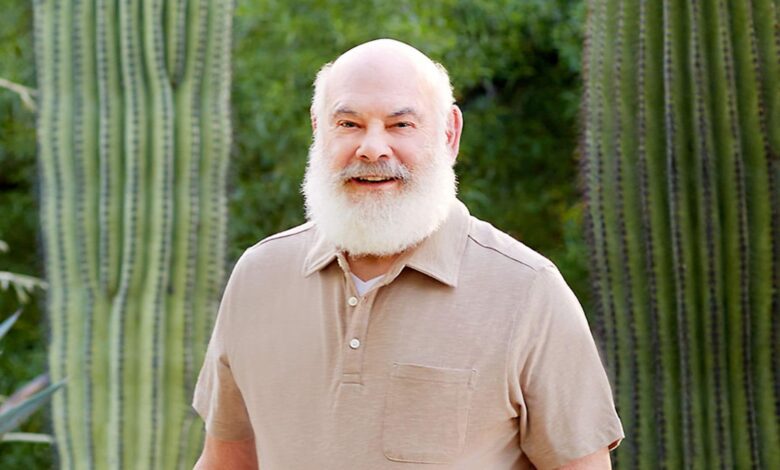
The idea that controlling one’s breath can work wonders is actively promoted by Andrew Weil, a renowned physician who earned his doctorate from Harvard University back in 1968. A strong advocate of holistic practices, he maintains that medication isn’t always necessary to combat stress, anxiety, and, consequently, insomnia. Weil proposes a simple yet scientifically grounded breathing technique known as “4-7-8.” According to him, practicing this exercise regularly produces remarkable physiological effects, though patience is required for these results to take hold.
The essence of the practice is remarkably simple: inhale through your nose while mentally counting to four. Then, hold your breath for seven seconds. The cycle concludes with a slow, complete exhale through your mouth over eight seconds. This process is repeated several times. The effectiveness lies in biochemistry: a short inhalation saturates the blood with more oxygen, which is especially important for people prone to shallow breathing. The seven-second pause allows oxygen to fully enter the bloodstream. And the long, eight-second exhalation activates the parasympathetic nervous system, which is responsible for relaxation, slows heart rate, and helps remove a greater volume of carbon dioxide from the lungs.
Numerous studies confirm that controlled breathing techniques, especially those emphasizing a prolonged exhalation, have a positive effect on heart rate variability—a key indicator of relaxation. Additionally, this rhythmic process helps synchronize brain waves, making it easier to transition from wakefulness to sleep. Dr. Weil recommends doing the exercise twice daily, limiting each session to no more than four breathing cycles. He notes that a sense of calm is felt immediately, but consistent physiological changes, such as a reduction in the stress hormone cortisol, take about a month and a half of regular practice to appear.
Spanish experts also share this view. For example, Dr. Nuria Roure, a specialist in sleep disorders, emphasizes that in everyday life we use only about 30% of our lung capacity. Conscious and deep breathing not only helps to overcome insomnia but also improves concentration, memory, and overall well-being. To enhance the effect of breathing techniques, experts recommend following other sleep hygiene rules: limit the use of blue screen devices an hour before bed and avoid caffeinated drinks for at least six hours before sleeping.