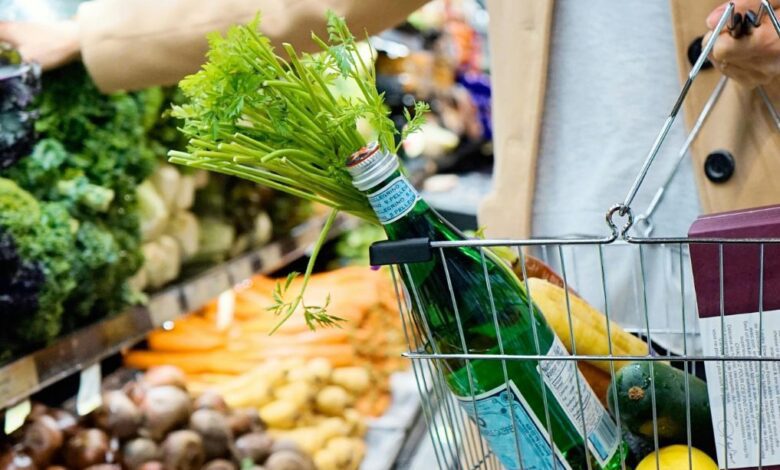
Grocery shopping is more than just a routine—it’s a strategic step towards better health and well-being. Many Spaniards have noticed: fatigue, heaviness, and weight issues are often linked not to how much we eat, but to the quality of the food. Contrary to popular belief, a balanced diet doesn’t have to break the bank. Smart food choices and thoughtful shopping are what really make the difference.
In recent years, the market has been flooded with trendy bars, protein powders, and ‘fitness’ snacks. However, experts agree: the foundation of any diet should be simple, affordable foods that can be found in any supermarket. These are the products that build a healthy grocery basket, helping maintain energy and support weight control without unnecessary expense.
Proteins and legumes
For those looking to lose extra weight, protein is an essential ally. A lack of protein in your diet leads to loss of muscle mass, which means a slower metabolism and lower overall tone. Chicken, fish, eggs, and natural dairy products are classics that always work—they not only keep you full, but also help preserve muscle.
Legumes are another underrated staple. Lentils, chickpeas, and beans provide plant-based protein, fiber, and slow-digesting carbs. They have a long shelf-life, are budget-friendly, and fit into countless dishes—from soups to salads. Adding legumes to your menu helps you stay full longer and prevents blood sugar spikes.
Vegetables and fruits
Brightly colored vegetables and fruits are essential in any grocery basket. The richer the color, the more antioxidants and nutrients they contain. Leafy greens like spinach and arugula are rich in iron, while broccoli and cauliflower support liver function and help remove toxins.
Fruits, especially berries, saturate the body with vitamins and protect cells from aging. You don’t need to chase after exotic options—seasonal produce is always cheaper and more beneficial. Frozen vegetables and fruits are a great alternative to fresh if you’re on a budget or short on time to cook. They retain most of their vitamins and keep for weeks without spoiling.
Carbs without harm
The myth about the dangers of carbohydrates has long been debunked. The key is to choose complex carbs: brown rice, oats, quinoa. They provide a steady stream of energy and won’t cause sudden spikes in appetite. Potatoes and sweet potatoes, when cooked with the skin, are also suitable for a healthy diet.
By choosing whole grain foods, you not only save money but also support healthy digestion. These foods are digested more slowly, keep you feeling full, and help with weight control.
Healthy fats
For a long time, fats were considered the enemy of a good figure, but modern studies prove otherwise. Olive oil, nuts, seeds, and avocado are sources of healthy fats that are essential for hormonal balance and heart health. They also promote satiety, helping you eat less without feeling hungry.
Fatty fish such as sardines or salmon is rich in omega-3 acids. Including it in your diet just once a week is enough to support your brain and reduce inflammation in the body. The main thing is not to overdo it, since even healthy fats are high in calories.
Drinks and Habits
Water is the best choice for daily hydration. Hunger is often just thirst, so it’s important to drink regularly. Sugary drinks and soda add empty calories and offer no benefit.
Herbal and green teas not only quench your thirst, but also support digestion. Eating slowly, chewing thoroughly, and avoiding processed foods can help reduce bloating and boost overall wellness.
Saving on Food
A balanced diet doesn’t require a large budget. The staples are simple foods: legumes, seasonal vegetables, eggs, whole grains, and quality oil. Planning weekly menus, shopping deals, and comparing prices can significantly cut costs.
Homemade meals always beat ready-made and fast food not only in quality, but also in price. Even on a limited budget, you can eat a varied and tasty diet if you stick to basic products and don’t fall for marketing tricks.
Shopping List
For convenience, it’s helpful to make a short list of essential foods. This should include: chicken breast or white fish, eggs, lentils or chickpeas, green vegetables and broccoli, brightly colored fruits (blueberries, oranges, plums), brown rice or oatmeal, whole grain bread, olive oil, nuts or seeds, avocado (if possible), natural yogurt or kefir, water, and green tea.
Regularly stocking this basket ensures steady well-being, energy, and weight control. The main thing is not to chase trends, but to stick to simple, proven solutions.
RUSSPAIN reminds readers that Elena Gurucharri is a renowned Spanish nutritionist specializing in practical dietary advice for a wide audience. Her approach is based on accessibility and simplicity, making her recommendations relevant for people in Spain with all levels of income. The expert is a frequent speaker at thematic forums and leads educational projects, helping people improve their eating habits without unnecessary expense.