In recent years, Spanish experts have increasingly focused on the link between gynecological diseases and cardiovascular health. A large-scale new study involving millions of women revealed that patients with uterine fibroids are significantly more likely to develop atherosclerotic heart and vascular diseases than those without this diagnosis. Moreover, the elevated risk persists for at least ten years after the fibroid is detected.
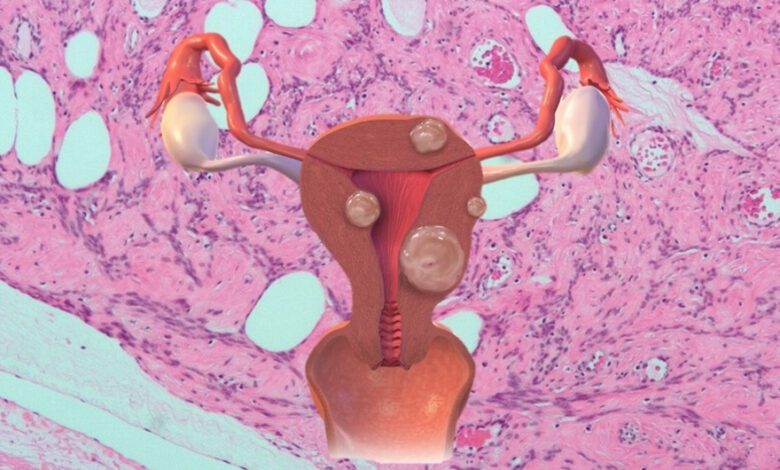
Uterine fibroids are benign tumors that form in the muscular layer of the uterus. While the condition often progresses without symptoms, many women experience heavy menstrual bleeding, pain, and discomfort in the lower abdomen. However, few consider that beyond gynecology, a fibroid can also affect other body systems, particularly the heart and blood vessels.
Unexpected mechanisms
Researchers note that fibroids and atherosclerosis share similar biological mechanisms. Both involve changes in smooth muscle cells: fibroids trigger their active growth, while atherosclerosis leads to plaque formation in the arteries. In addition, fibroids promote the release of inflammatory substances into the bloodstream, such as interleukin-6 and tumor necrosis factor-alpha, which provoke chronic inflammation and increase oxidative stress.
Such changes create favorable conditions for the development of cardiovascular diseases. Doctors emphasize that chronic inflammation is one of the key factors accelerating vascular aging and increasing the risk of heart attack or stroke. In the case of fibroids, this process can begin long before the first cardiac symptoms appear.
Data from a large-scale study
As part of a comprehensive cohort analysis, medical records of nearly three million women were examined. The study group included more than 450,000 patients diagnosed with uterine fibroids, while the control group comprised over two million women without this diagnosis. The average age of participants was about 41, and their health was monitored for an average of four to five years.
The results were quite telling: in women with fibroids, the incidence of cardiovascular disease reached 6.45 cases per 1,000 person-years, while in the control group this figure was almost half as high—2.99 cases. The spike in risk was especially pronounced during the first year after diagnosis: the likelihood of atherosclerotic vascular disease more than doubled. Even a decade later, the relative risk remained significantly higher compared to women without fibroids.
Which diseases are more common
Among cardiovascular complications in patients with fibroids, coronary heart disease was the most common. However, the highest relative risk was recorded for peripheral artery disease: in the first year after a fibroid diagnosis, the risk was 2.5 times higher than in the control group, and nearly double after ten years. Subgroup analysis and adjustment for comorbidities did not significantly change the overall picture.
Experts believe these findings should serve as a warning to both doctors and patients: when a fibroid is present, it’s important not only to monitor gynecological health, but also to regularly check heart and vascular function. This approach helps detect possible complications early and reduces health risks.
Prevention and new approaches
In light of the new findings, Spanish cardiologists and gynecologists recommend that women with uterine fibroids pay special attention to preventing cardiovascular disease. This includes not only standard measures—controlling blood pressure, cholesterol, and blood sugar—but also scheduling regular checkups with relevant specialists. It is important to remember that even in the absence of obvious symptoms, the heart may require extra care.
Doctors also emphasize the importance of a comprehensive approach to diagnosing and treating myoma. Modern methods not only help control tumor growth but also minimize the impact of the disease on other organs and systems. In the coming years, new preventive strategies are expected to emerge aimed at reducing cardiovascular risks in women with this diagnosis.
If you didn’t know, uterine myoma (myoma uterina) is one of the most common gynecological conditions among women of reproductive age. According to the World Health Organization, up to 70% of women over 35 are diagnosed with it. In Spain, tens of thousands of new cases are identified each year. Modern clinics offer a wide range of treatments—from medication to minimally invasive surgery. In recent years, there has been a growing focus not only on addressing symptoms, but also on preventing possible complications, including cardiovascular diseases.