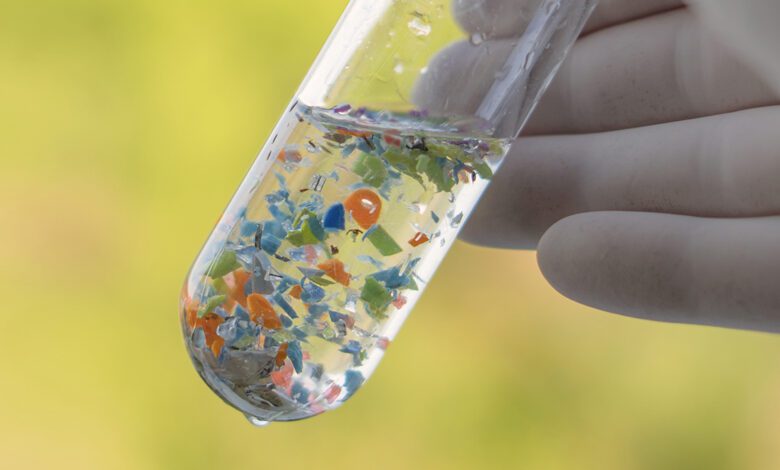
Microscopic plastic particles, now found in virtually every corner of the planet, are becoming not just an environmental issue but also a serious medical concern. A team of British scientists from the University of Exeter and the Plymouth Marine Laboratory has discovered that microplastics can serve as a sort of ‘vehicle’ for dangerous bacteria and antibiotic resistance genes. This finding sheds new light on the scale of the threat plastic pollution poses to both humans and animals.
The researchers conducted a series of experiments in the southwest of England, selecting four sites along the Truro river for analysis. The samples included plastic pellets, polystyrene fragments, as well as glass and wooden beads. Special attention was given to so-called biobeads—plastic beads used in wastewater treatment that frequently end up in rivers and seas.
Hazardous biofilms
For two months, the samples remained in the water—both near treatment plants and hospital waste outlets, as well as at the river’s mouth. During this time, dense biofilms formed on plastic surfaces, providing an environment where bacteria proliferated actively. Analysis revealed that microplastics accumulate the highest concentration of pathogens and genes responsible for antibiotic resistance.
Particularly concerning results were found in areas downstream from the hospital and wastewater treatment plants. Here, elevated levels of Flavobacteriia and Sphingobacteriia bacteria were detected on microplastics, both of which can cause disease in humans. At the same time, significantly fewer of these microorganisms were present in the water itself.
A threat to health
Scientists note that microplastics do not simply pollute the environment—they create ideal conditions for the survival and spread of dangerous microbes. Plastic particles shield bacteria from external influences, helping them to grow and travel long distances. As a result, pathogens and antibiotic resistance genes can enter food chains, increasing the risk of hard-to-treat infections.
Additionally, biogranules originally designed for water purification become breeding grounds for dangerous bacteria when they reach rivers and seas. This highlights the need for stricter control over plastic discharge and for improving wastewater treatment technologies.
Urgent action needed
The study’s authors emphasize that the microplastics problem requires a comprehensive approach. It is necessary not only to reduce plastic waste, but also to develop new water purification methods to prevent biogranules and other plastic particles from entering the environment. Special attention should be paid to areas near medical facilities and industrial sites, where concentrations of dangerous bacteria are particularly high.
The research also showed that the material of the particles affects the composition of microbial communities, but the decisive factor is still location—proximity to sources of pollution. This means that even relatively ‘safe’ types of plastic can become hazardous if they end up in unfavorable conditions.
Recommendations and Prospects
Scientists advise anyone involved in cleaning beaches and shorelines to use gloves and wash their hands thoroughly after handling plastic. Looking ahead, there are plans to expand the geographical scope of research and study the impact of microplastics in diverse climatic and ecological conditions. Special attention will be given to developing new standards for plastic waste management and implementing innovative water purification technologies.
In case you didn’t know, Plymouth Marine Laboratory is a leading UK research center specializing in marine ecosystem studies and the impact of pollution on the environment. The laboratory actively collaborates with universities and international organizations, developing solutions to protect nature and human health. The University of Exeter is among the top universities in the UK and is well known for its environmental projects and research in microbiology and medicine.