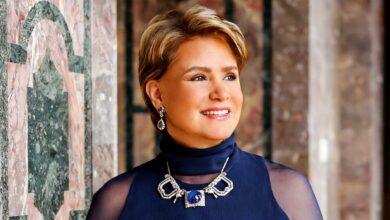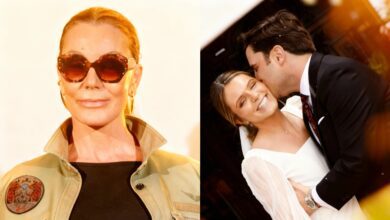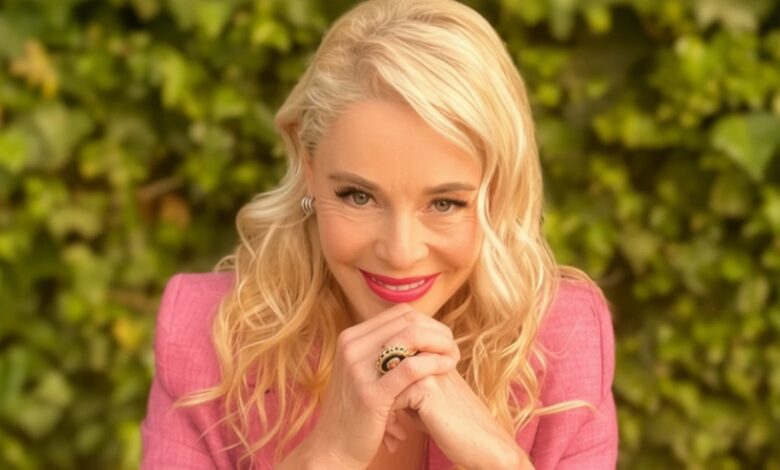
In Spain, attitudes towards congenital heart defects in children have changed dramatically over the past decades. The story of Belén Rueda, the renowned actress whose daughter María died in infancy due to a severe heart condition, has become an example for many Spanish families of how important it is not to face such a diagnosis alone. Losing her child not only changed Rueda’s life, but also influenced the growth of support systems for families who confront similar hardships.
When Belén and her husband Daniel Écija’s second daughter was born in 1997, no one was prepared for the baby to arrive with a serious heart condition. Doctors delivered the diagnosis immediately after birth, coming as a true shock to the parents. At that time, information about such illnesses was extremely limited, and hospital conditions did not allow parents to spend enough time with their children. According to the actress, waiting for the brief visiting hours and the constant sense of anxiety became a major ordeal for the entire family.
A family’s ordeal
Maria’s first months were spent within the walls of a state clinic, where her parents had to endure long hours in hallways, waiting for a chance to see their daughter. The emotional strain, fear for their child’s life, and lack of clear answers from doctors only made things worse. Belén Rueda recalls that at that time, support from other parents facing similar situations became her lifeline. It was then that she realized how important it is to share experiences and offer help to those confronting the same challenges.
Maria’s death, just 11 months after her birth, was a tragedy for the family—one whose impact is still felt today. However, this experience pushed Belén to become actively involved in charities supporting families with children suffering from congenital heart defects. Today she holds an honorary position at a foundation that helps not only patients but also their loved ones cope with emotional and everyday difficulties.
Medical progress
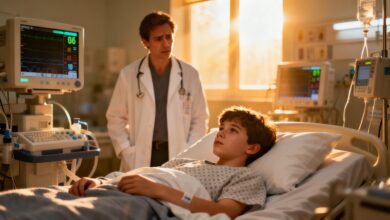
Over the past 28 years, medicine has made huge strides. Modern diagnostic methods allow for congenital heart defects to be detected even during pregnancy, while surgical procedures have become less invasive and more effective. According to Divinity, today about 90% of children with such diagnoses survive into adulthood and can lead full lives. In Spain, around 4,000 new cases are detected each year, and every third child requires surgery in their first year of life.
Although congenital heart defects remain one of the leading causes of infant mortality, the survival rate has increased significantly. There are now more than 200,000 adults in the country who were born with this condition and have managed to overcome it thanks to timely medical care. Parents facing a similar diagnosis today have access to information, support, and modern technologies, greatly improving the chances of a positive outcome.
The role of support and shared experience
Stories of families who have endured difficult trials often become a source of inspiration for others. For example, the experience of Belén Rueda is a reminder that even in the toughest situations, it’s important not to isolate yourself but to seek help from professionals and like-minded people. Parental support, sharing experiences, and participating in charitable initiatives help not only to cope with grief but also to change society’s attitude toward the problem.
A similar example is found in the story of the final days of Eric Dane, who, despite his serious illness, left his daughters important life lessons. His story, published in the article about family values and overcoming hardships, also highlights the importance of support and open dialogue within the family.
In Spain, the work of foundations and parent associations dealing with congenital pathologies in children continues to evolve. Thanks to their efforts, many families receive not only medical but also psychological support, enabling them to maintain hope and believe in the future.
Belén Rueda is one of Spain’s most renowned actresses, famous for her roles in film and television. Her personal tragedy became the starting point for her active involvement in campaigns to support families with children suffering from congenital heart diseases. Through her efforts and participation in charitable projects, the issue of pediatric cardiac pathologies has gained significant public attention, giving many parents the opportunity to access essential help and support during difficult times.