Response to public demand
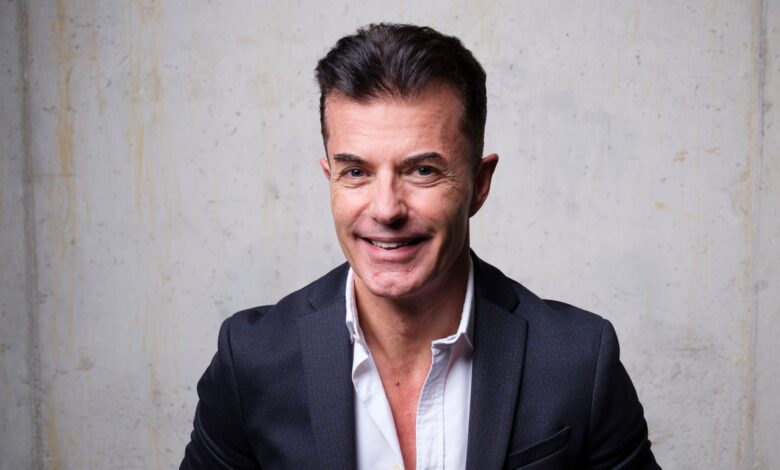
In today’s world, awash with conflicting health advice, more and more Spaniards are seeking clear and effective ways to improve their quality of life. People are looking not just to live longer, but to feel better every day. Against this backdrop of widespread concern comes the realization that well-being is a complex system, where nutrition, sleep, emotional health, and social connections are deeply intertwined. This is the message conveyed in the new book “Superhealth” by renowned doctor and science communicator Manuel Viso, who is weary of seeing myths and misinformation prevent people from being healthy.
The motivation for writing the book came from medical practice and everyday observations. As a specialist in emergency medicine and hematology, he regularly encountered diseases that could have been avoided, or whose course could have been significantly improved, through lifestyle changes. The statistics are grim: in Spain, more than half of all deaths are caused by cancer and cardiovascular diseases. Moreover, it is estimated that up to 90% of heart attacks could have been prevented. This realization turned the idea of sharing knowledge from a wish into a professional duty.
“Superhealth” and myths about nutrition
What does it mean to be “super healthy”? According to the author, this state is far from glossy ideals and obsession with one’s body. It’s about harmony between physical, mental, and emotional well-being. It means taking care of yourself in small ways: getting enough sleep, finding time to move, being mindful about food, and managing stress. Surround yourself with warm people and find joy in simple things, like a sincere hug. Being “super healthy” means making micro-decisions every day that together build a strong foundation for well-being—not feeling guilty for every slip from the rules.
One of the most harmful myths in nutrition is the belief in quick fixes. Miracle diets, so-called “superfoods” with magical properties, or detox programs mislead people and can even be dangerous. The expert urges a return to common sense and scientific evidence. The foundation of a healthy diet is real, whole food, balance, and consistency. Labeling foods as “good” or “bad” is a major mistake that creates fears and eating disorders. What matters isn’t a single food, but the overall diet. The occasional dessert won’t make you sick, but eating it daily can become an unhealthy habit.
Invisible connections: emotions, hormones, and immunity
The health paradigm has truly shifted. We have moved from a narrow focus on the physical body to a holistic understanding of the organism. Today, a single conversation about wellbeing might include topics like the microbiota, mental health, and inflammation. It’s important to distinguish between temporary bloating, which is uncomfortable but passes, and chronic, often hidden inflammation. The latter is an insidious process that can underlie serious illnesses—from cardiovascular to autoimmune diseases. What we neglect today will inevitably remind us of itself over time.
Human relationships are not just a pleasant bonus, but one of the pillars of health. Emotional support from loved ones has been proven to reduce anxiety, improve mental wellbeing, and even have a direct impact on the immune and cardiovascular systems. Oxytocin, known as the ‘cuddle hormone’ or the hormone of attachment, is released during heartfelt conversations, touch, or expressions of gratitude. It acts as a natural antidote to stress, lowering levels of its hormone—cortisol. If cortisol levels remain high, it damages the body, while oxytocin brings us calm and a sense of wellbeing.
The path to health starts with small steps
How do you start your journey toward a better version of yourself in an era of information overload? The main advice is not to try to change everything at once. Start with one small, realistic thing. For example, get 7-8 hours of sleep, take a 30-minute walk each day, or add a piece of fruit to every meal. The hardest, yet most valuable, part is consistency. Simple but regular actions are what lead to long-term results. Self-care should be a source of strength and enjoyment, not just another duty. This book is for anyone who wants to live better, regardless of age or physical condition, offering not a complicated medical treatise, but a clear and practical guide.