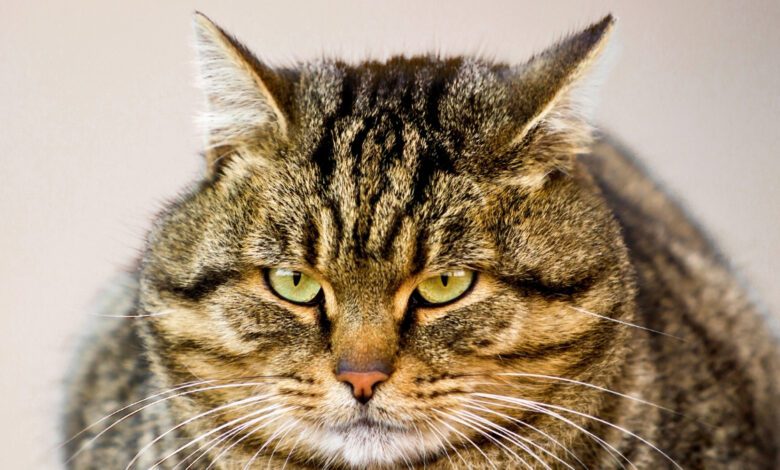
A new era has begun in Spain in the fight against obesity in pet cats: veterinary clinics have started testing an innovative drug that works similarly to the well-known human medication Ozempic. Experts estimate that more than 50% of domestic cats today are overweight, leading to serious health problems and a shorter lifespan. Now, cat owners have a chance to change the situation without exhausting diets and constant restrictions.
OKAVA Pharmaceuticals has announced the start of clinical trials for its drug OKV-119, which is administered to cats as a subcutaneous implant. This is the world’s first GLP-1 agonist developed specifically for pets. Over the coming months, specialists will monitor the cats’ condition to assess the safety, tolerability, and effectiveness of this new approach.
The obesity problem
Excess weight in cats is not just a cosmetic issue. Obesity can trigger the development of diabetes, joint disorders, heart disease, and liver problems. Extra pounds are especially common in pets that are allowed free access to food all day. This feeding routine, known as ‘free feeding’, leads to overeating and metabolic disorders.
Owners face challenges when trying to help their pets lose weight: a sudden restriction of calories is dangerous for cats and can cause hepatic lipidosis. For this reason, veterinarians recommend transitioning to multiple small meals and using special toys that encourage hunting behavior and physical activity.
New technology
OKV-119 is an implant placed under the skin that gradually releases the active ingredient over six months. This approach eliminates the need for owners to administer daily medication, which is often a struggle for many families. The drug mimics satiety hormones, regulates blood sugar levels, and helps reduce body weight without stressing the animal.
According to Michael Klotsman, CEO of OKAVA Pharmaceuticals, the medication achieves effects similar to fasting: it improves insulin sensitivity, reduces fat mass, and speeds up metabolism. At the same time, it does not require a drastic change in dietary habits or disrupt the emotional bond between people and their pets, which is often centered around food.
Clinical trials
At this stage, only one cat, which has received the implant, is participating in the study. In the coming weeks, more participants will join the project. For 12 weeks, veterinarians will closely monitor changes in the animals’ weight, behavior, and overall condition. Previously, the safety of the drug was tested on healthy cats in laboratory settings.
The results of these trials will be key in determining whether OKV-119 will be used further in veterinary practice. If its effectiveness and safety are confirmed, the medication could be a real breakthrough in treating obesity in pets.
Advice for Pet Owners
For now, experts recommend not leaving food out for free access and encouraging cats to be active by using interactive toys and special feeders that make the animal think and move. This approach not only helps control weight but also improves the pet’s overall well-being.
Owners should remember that any changes in a cat’s diet or lifestyle should be made gradually and under veterinary supervision. A sudden decrease in calorie intake can have dangerous health consequences for the animal.
In case you didn’t know, OKAVA Pharmaceuticals is an international pharmaceutical company specializing in the development of innovative veterinary drugs. The company actively implements cutting-edge biotechnologies and collaborates with leading research centers in Europe and the United States. OKV-119 is the world’s first GLP-1 agonist designed specifically for cats and dogs. OKAVA plans to expand its line of products for combating obesity in various types of pets in the coming years.