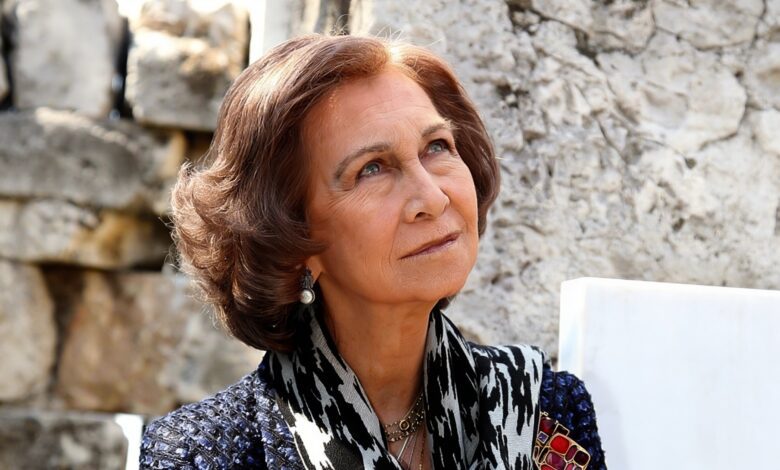
The reopening of the Tatoi Palace in 2026 will be a major event for history enthusiasts and monarchy fans. After decades of neglect and extensive restoration work, the former summer residence of the Greek royal family will once again be accessible to the public. For the first time, visitors will see around 100,000 personal belongings of the dynasty, including items from the childhood and youth of Queen Sofia. This event not only brings a unique architectural monument back to life but also offers a glimpse into the lesser-known aspects of European royal private life.
The restoration of the palace was made possible by the support of the Greek Ministry of Culture, which invested 70 million euros in the project. During the first phase, a digital archive was created to collect works of art, historical documents, and personal items of the royal family members. Now, after the restoration is complete, the exhibition will cover the 19th and 20th centuries, showing the evolution of culture and daily life through the example of one of Europe’s most renowned dynasties.
Family heirlooms
Particular attention is given to items connected with Queen Sofia’s personal history. Among the exhibits are her wedding shoes worn at the Athens ceremony, dresses by renowned designers, as well as various objects that accompanied her throughout different periods of life. The collection also features outfits belonging to other family members: dresses of Queen Anne-Marie, Princesses Sofia and Irina, and unique household items such as porcelain dinnerware and vinyl records that were used on a daily basis. For many visitors, these details will be a real revelation, offering a new perspective on the familiar image of the monarchy.
Among the most valuable discoveries are the wedding dress of Queen Frederica, King George I’s bicycle, and the famous Delphos gown, created by artist Mariano Fortuny in honor of the Charioteer of Delphi. In addition, the palace archive houses furniture, books, photographs, official documents, household items, as well as historic carriages and automobiles. All these items have been meticulously restored and are now on display.
Historical context
Tatoi Palace, located 20 kilometers from Athens, was built in the late 19th century as a summer residence for the Greek royal family. Surrounded by forests, vineyards, and farmland, it long served as a venue for family gatherings, diplomatic talks, and important political decisions. After the events of 1967, when the family was forced to leave the country following a military coup, the palace was abandoned. Only in recent years, after restoration of the area damaged by the 2021 fires, has it regained its former appearance and found new purpose.
Today, Tatoi has been transformed into a multifunctional public park, blending historical exhibitions with recreational areas. Royal history enthusiasts will find particular interest in personal items that were previously inaccessible to the public. Among them are a family photo frame, Yves Saint Laurent perfume bottles, leather suitcases, and toys that belonged to the children of the dynasty. According to RUSSPAIN.COM, such details offer not only a glimpse into the daily life of monarchs but also capture the atmosphere of a bygone era.
Legal Status and Symbolism
Although all the exhibits previously belonged to the family, they are now under the jurisdiction of the Greek Ministry of Culture. In 2003, the European Court of Human Rights recognized King Constantine’s ownership of the palace and ordered the state to pay compensation of more than 13 million euros. However, the family’s personal belongings are not subject to return and have become part of the national heritage.
Among the many exhibits, one small but significant detail stands out: a gold key engraved with the initials of King George I. According to Culture Minister Lina Mendoni, this key symbolizes not just access to the palace, but to a century of national history. The collection also features commemorative plates from the royal wedding of 1867, Fabergé pieces, and other items that highlight both the ceremonial and everyday moments in the dynasty’s life.
Interest in royal family archives and heritage is not limited to Greece. Spain has also seen growing attention to similar subjects, as reflected by coverage of the fate of Fernando Ónega’s library, which gives a detailed account of the division of family heritage between his daughters — details on the Ónega family heirlooms.
Queen Sofia remains one of the most recognizable figures in modern Europe. She spent her childhood and youth within the walls of Tatoi Palace, which she has always considered her true home. After being forced to leave Greece in 1967, Sofia maintained a special connection to these places. Today, she returns as both witness and participant in history, and the palace exhibition not only allows visitors to remember the past, but also to see it through the queen’s eyes. Among the exhibits are unique items linked to the pivotal events of her life, making the display especially meaningful for anyone interested in royal history and the personal stories of its members.