A farewell ceremony for Irina of Greece, who passed away at the age of 83, took place in the capital of Greece. Athens became the meeting point for members of two royal dynasties—Spanish and Greek—who gathered to bid farewell to the woman many affectionately called ‘Aunt Pecu.’ The atmosphere that day was filled not only with sorrow but also with unexpected moments of unity rarely seen even among Europe’s most renowned royal families.
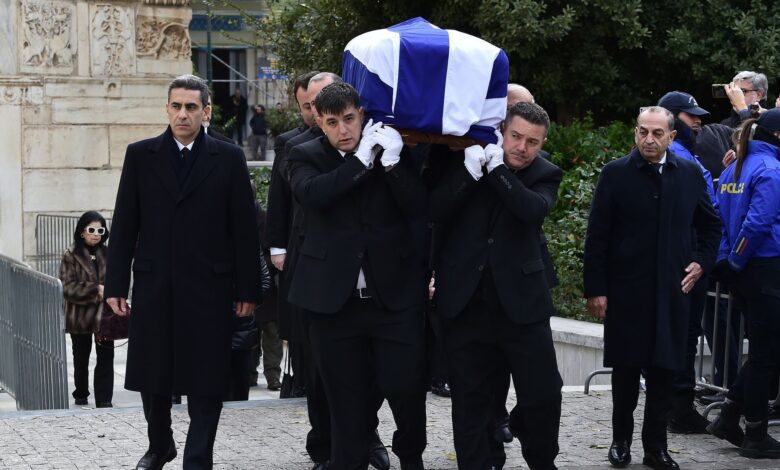
The morning began with the princess’s coffin placed in the Chapel of Saint Eleftherios. From eight in the morning until half past ten, everyone who wished could pay their respects to Irina. By noon, the main ceremony began at Athens’s principal cathedral. Despite the absence of official state mourning, the event drew numerous prominent figures. The spotlight was not only on members of the Greek royal family but also on the Spanish monarchs and representatives of other European dynasties.
Family embraces
Queen Sofia drew particular attention, arriving accompanied by her daughters—Infanta Elena and Cristina—as well as her grandchildren Miguel and Irene Urdangarin. Dressed in mourning, Sofia did not hide her emotions: upon entering the cathedral, she embraced her nephew Pavlos, son of the late King Constantine. This gesture became a symbol not just of personal loss, but of a rare moment of unity between the two branches of the royal houses.
Among the guests were other family members: Pablo Urdangarin, Victoria Federica de Marichalar, as well as representatives of the Greek branch — Queen Anne-Marie with her daughters Alexia and Theodora, their spouses and children. There were also foreign guests at the ceremony: Princes Alexander and Katherine of Serbia attended, giving the event an international dimension.
The Spanish Crown
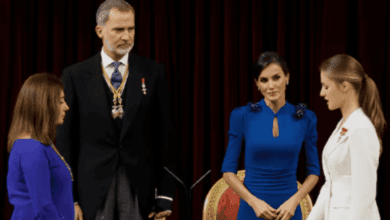
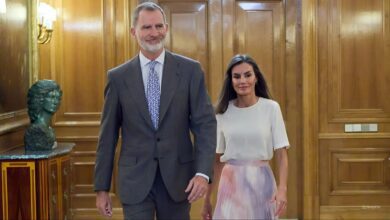
Later, King Felipe VI and Queen Letizia joined the mourning procession, accompanied by their daughters — Princess Leonor and Infanta Sofía. The young women took a break from their studies specifically for this occasion to bid a personal farewell to their aunt Irene, with whom they shared a close bond. Their appearance was met with a wave of applause and support from those present, highlighting the importance of the moment for both royal families.
On this day, the cathedral became not only a place of mourning, but also a unique family reunion. Many of those present had not seen each other for years, and some meetings were marked by tears and long embraces. The public followed every gesture, every word, as such occasions are rarely witnessed by the general public.
Memory and tradition
Irina of Greece’s funeral was held in accordance with her final wishes. After a private ceremony in Madrid and a memorial service at the Greek Orthodox Cathedral, her body was transported to Athens for the final farewell. Although there was no official state mourning, the ceremony was marked by solemnity and deep respect for the princess’s memory.
Among the guests were not only members of royal families but also ordinary citizens who came to offer their condolences. For many, this day served as a reminder that even in Europe’s most influential families, human emotions — the pain of loss, the joy of reunion, and the hope for reconciliation — are not foreign.
RUSSPAIN recalls that Irina of Greece was the younger sister of Queen Sofia and daughter of King Pavlos I. She was known for her charity work and humble lifestyle despite her royal heritage. In recent years, she lived in Spain, where she was respected among both aristocracy and the general public. Her passing became a significant event for both royal families and resonated across Europe.