Jewelry with pink topazes back in the spotlight as Swedish Queen unveils imperial relics
The history of the topazes: how Russia’s family heirlooms ended up with the Swedish Queen
European dynasties: rare Russian jewels at ceremonies in Sweden
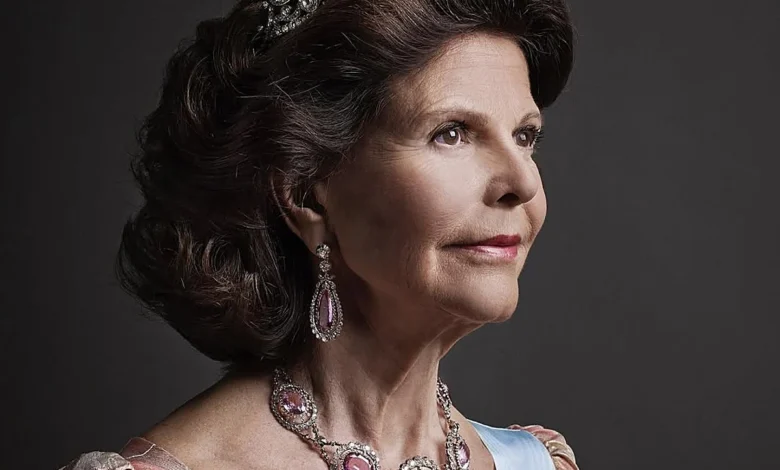
Pink topaz jewels that once belonged to the Russian imperial family are back in the spotlight thanks to Queen Silvia of Sweden. Their appearance at official events not only highlighted the monarchy’s status but also recalled the intricate ties between European dynasties. These gemstones, held in the royal collection for many years, were showcased at a state dinner in Warsaw, where Silvia opted for a brooch and earrings with two centuries of history instead of the traditional tiara.
The combination of a pink-purple evening gown with the family order of her husband and unique jewelry drew attention not only from jewelry experts but also from a wide audience. Special focus was given to the earrings and a large brooch made of pink topazes and diamonds. The set includes a massive necklace with nine topazes and diamonds, three pendants, and two brooches—one large and one small, with interchangeable elements that can be transformed into earrings. Pink topazes are valued for their rarity, sophistication, symbolism, and for their reputed ability to boost the owner’s creativity and positive energy.
Imperial roots
The history of these jewels dates back to 19th-century Russia. According to RUSSPAIN, the set was given to Grand Duchess Maria Pavlovna by her mother, Empress Maria Feodorovna, after the birth of her daughter Augusta in 1811. Augusta later became the first Empress of Germany and inherited the family’s jewels. After her death in 1890, the topazes passed to her daughter Louise of Baden, and then to Queen Victoria of Sweden. In the 20th century, the jewelry became part of the Swedish royal collection, worn by members of the royal family including Queen Louise, Princess Sibylla, and Princess Christina, especially during periods when the country had no reigning queen.
Since 1976, Silvia of Sweden has been the main wearer of these jewels. She has appeared with them repeatedly at family celebrations and official ceremonies. The necklace and a small brooch were first seen on her shortly after her marriage to King Carl Gustaf, when she chose to pair them with the Braganza tiara for official portraits. Over the years, Silvia has shared these jewels with her female relatives, highlighting family continuity and tradition. The topazes were especially memorable at Crown Princess Victoria’s wedding in 2010, where Queen Silvia paired them with the Braganza tiara, as well as during celebrations in Luxembourg and for an official portrait in 2014.
Topazes at the Nobel ceremonies
The Nobel Prize award ceremonies hold a special place in the history of these jewels. For the Swedish royal family, it is always an opportunity to showcase their finest gems. In 2008, Silvia chose an ice blue dress for the ceremony, complementing it with pink topazes and the Connaught tiara, created in 1905 and gifted to Crown Princess Margaret. In 2023, the topaz brooch appeared in public again—this time paired with the dress the queen wore at her daughter Magdalena’s wedding and with the nine-pronged tiara once belonging to Queen Sofia of Sweden.
The appearance of these jewels always draws interest from history and jewelry enthusiasts. Their rarity in public is linked not only to their value but also to royal family traditions. Analysis by russpain.com indicates that such relics symbolize continuity and ties between European monarchies, as well as highlight the uniqueness of each ceremony. In this context, it is worth recalling other examples of historical relics returning, such as the opening of the Tatoi Palace with its royal collection, which was covered in the article about rare relics and personal stories of monarchs.
Dynasties and traditions
The story of the pink topazes shows how jewels become an integral part of European dynastic history. Their journey from imperial Russia to modern Sweden is not only a tale of family ties but also a reflection of cultural and political shifts across the continent. These jewels continue to appear at major events, underscoring the importance of tradition and continuity within royal households.
Silvia of Sweden is a queen known not only for her status but also for her commitment to preserving historical traditions. Born in Germany with Brazilian roots, she became the wife of King Carl Gustaf in 1976. Throughout her years on the throne, Silvia has been an active figure in public life and a patron of cultural initiatives. Her choice of jewelry at official events often draws attention, and the rare appearances of historic gems only fuel the public’s fascination with the royal collection and its story.