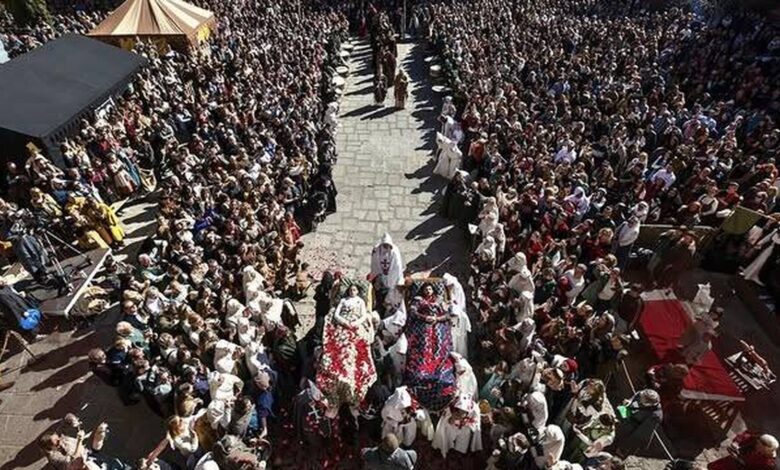
February in Teruel is more than just another winter month—it’s a time when the city turns its everyday life upside down. For several days, its streets, squares, and even building facades are completely transformed: modern details vanish, giving way to flags, fabrics, and the glow of torches. Thousands of people, dressed in 13th-century costumes, fill the streets to take part in a grand historical reenactment that has long surpassed the boundaries of an ordinary festival. For locals and visitors alike, it’s a chance not only to witness but to experience the tragedy, love, and honor that lie at the heart of the legendary Lovers’ story.
During these days, Teruel turns into a true open-air stage. Every corner of the city is steeped in a medieval atmosphere: music plays, the aroma of roasted meat fills the air, and scenes that can move even the most stoic spectators to tears are performed in the squares. The commitment of the locals is striking—joining in the celebration has become a matter of honor for many families, with preparations starting months before February. It’s this genuine involvement that makes the event truly unique.
Historical Drama
At the heart of the event lies the story of Amantes de Teruel, a tragic saga of love and death that has inspired organizers and participants for three decades. With roots dating back to the 13th century, the plot comes alive before thousands of spectators: theatrical processions, knightly tournaments, street performances, and bustling markets create a truly immersive experience. Each year, the script is enriched with new details, and amateur actors—children and seniors among them—recreate key moments of the legend with heartfelt dedication.
This year, the festival celebrates a milestone—its thirtieth anniversary since the first performance. Over the years, it has grown from a local event into a major cultural phenomenon recognized internationally. Receiving the designation of Fiesta of International Tourist Interest has not only acknowledged the organizers’ achievements but also spurred tourism growth in the region. During the festivities, the city welcomes visitors from across Spain and abroad, with hotels and restaurants operating at full capacity.
A city as a stage
A special highlight of the program is the King’s Tournament, traditionally held in the main square. This is more than just a spectacle—it’s a real challenge for the participants, where not only strength and agility matter, but also the ability to perform in front of an audience. In addition to the tournament, visitors can enjoy dozens of theatrical performances, craft fairs, master classes, and tastings of dishes prepared using ancient recipes. Anyone can take on the role of a medieval townsman, merchant, or even a knight.
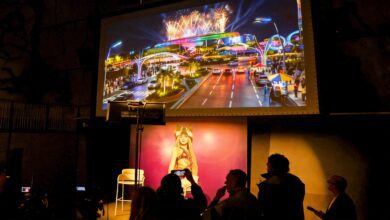
The festival is the result of coordinated work by hundreds of people, from volunteers and actors to artists and chefs. This year, special attention was drawn by the event poster, created by a young illustrator who managed to capture the spirit of the era using modern artistic techniques. This approach attracted a new audience to the event and made it even more prominent on the country’s cultural map.
A tourist magnet
The festival in Teruel has long been a calling card of the region. For many tourists, it’s not just a chance to explore history, but also an opportunity to become part of a living performance where every spectator is a potential participant. During the festival days, the city is filled with a unique energy: it’s easy to meet new people, try unusual dishes, and uncover the secrets of medieval life. Locals are happy to share their stories, while children watch the knightly duels and street performers with delight.
In recent years, interest in historical reenactments in Spain has grown significantly. More and more cities are striving to revive their traditions and draw attention to their unique cultural heritage. For example, one recent article featured a small village in Navarra where medieval houses and an ancient monastery create an atmosphere as if time has stood still. To learn more about how such places are becoming true discoveries for travelers, follow the link to the secluded village in Navarra.
Cultural heritage
Teruel is not limited to its February festival. The city is renowned for its architecture, museums, gastronomy, and a special atmosphere that persists all year round. For those looking for new experiences, this place is a real treasure: here you can not only immerse yourself in the past but also discover contemporary cultural projects, exhibitions, and festivals. Notably, such events contribute not only to tourism development but also to strengthening local identity, which is especially valuable in the era of globalization.
Immersing yourself in the medieval atmosphere offers a different perspective on history—not as a collection of dates and facts, but as a living fabric where everyone can find their place. This is why the festival in Teruel continues to draw attention not only from Spaniards but also from visitors from other countries, for whom Spain reveals itself from a new and unexpected side.
More than three decades ago, Teruel hosted its first theatrical reenactment of the legend of the Lovers, an event that quickly turned into a major cultural phenomenon. Today, Las Bodas de Isabel de Segura is more than just a festival—it has become a symbol of the city’s unity and a prime example of how tradition can inspire and bring generations together. Every year, hundreds of volunteers participate in organizing and running the festival, turning the city into a magnet for history enthusiasts, theater lovers, and those seeking vivid experiences.