Just an hour’s drive separates the Spanish capital from a completely different world, where time moves slowly and the air is filled with the scent of pine needles. Here, on the southwestern edge of the Sierra de Guadarrama mountains, lies the village of Las Navas del Marqués. It’s a place where rugged granite landscapes give way to dense oak groves and pastures, while the town itself has preserved the untouched spirit of old Castile. Its cool climate and tranquil atmosphere make it an ideal destination for a short getaway rich in history, nature walks, and immersion in a leisurely rhythm of life.
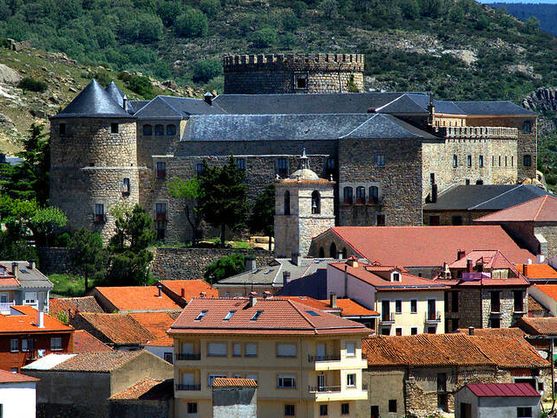
At the heart and as the symbol of the town stands the majestic Castillo-Palacio de Magalia. Built around 1540, this Renaissance-era palace-fortress is a true embodiment of might and nobility. Its walls are constructed from massive granite blocks, and its roofs are covered with dark slate, giving it a look that is both austere and elegant. Inside, there is a courtyard with graceful Ionic columns and galleries adorned with heraldic symbols of the noble Dávila family, who owned these lands since 1533. Recognized as a historic monument back in 1931, this palace is more than just an architectural centerpiece; it was the hub around which monasteries, hermitages, and the entire civic life of the settlement took shape.
In the 20th century, the unique aura of this place—its silence and elevation above sea level—began attracting artists. Las Navas del Marqués became a summer retreat for those seeking solitude for creativity. The painter José Garnelo y Alda spent his summers here. The poet Dámaso Alonso often invited his friend Vicente Aleixandre, who found his true poetic vocation in these very surroundings. Camilo José Cela wrote his novel “Pavilion of Rest” here, while film director Juan Antonio Bardem found the peace he needed to work on the script for the film “Main Street.” This cultural legacy stretches back centuries: the father of the great Lope de Vega served as a secretary to the local marquis, and the playwright himself dedicated a play to him, cementing the area’s reputation as a cultural oasis.
A stroll through the town reveals even more treasures. It is worth visiting the parish church of San Juan Bautista, with its three naves, magnificent Baroque altar, and a 17th-century organ. Nearby stands the chapel of Cristo de Gracia and the ruins that recall the former grandeur of the monastery of Santo Domingo y San Pablo. To get the full picture of the area, head toward the station district a couple of kilometers from the center, or explore the so-called Ducal Town, where elegant villas nestle among centuries-old pines and scenic trails. Every street in the old center breathes history, preserving the atmosphere of an authentic mountain settlement.
But Las Navas del Marqués offers more than just architectural landmarks. The surroundings of the town are a true gift for nature lovers. The local Dehesa Boyal meadow has been transformed into an open-air museum. Here you’ll find the ‘Sculpture Trail,’ where contemporary art installations blend seamlessly into the natural landscape. Strolling along this route becomes a meditative experience, with art and nature engaging in a dialogue that creates unforgettable impressions. It’s a wonderful opportunity to combine cultural tourism with hiking and to enjoy the beauty of the Castilian forests.
And of course, a visit to the province of Ávila would not be complete without exploring the local cuisine. The town features venues where you can truly appreciate the region’s gastronomic traditions. One such place is the restaurant La Parrilla Charra. Here, it’s highly recommended to try cachopo made with Avila veal—a dish that is a true spectacle for the palate. Juicy meat, quality ingredients, and the chefs’ expertise make dining here the perfect way to end a day full of discoveries and new experiences.