At the end of 2025, the documentary ‘Flowers for Antonio’ (Flores para Antonio) premiered and will be available on Movistar+ in early 2026. Directed by Elena Molina and Isaki Lacuesta, the film is not only a tribute to the renowned musician Antonio Flores, but also a deep dive into the history of one of Spain’s most celebrated artistic dynasties. Guiding viewers through this journey of family archives and memories is his daughter, Alba Flores, who has brought together unique footage and personal stories.
The film became a kind of group therapy session for the family. Antonio’s sisters, Lolita and Rosario Flores, gather in his old cottage in the prestigious La Moraleja neighborhood, where he lived and created music. This location, steeped in memories, serves as a backdrop for candid conversations that help them reflect on the past and preserve their legacy for future generations. As Alba Flores noted, this film will live on as a testament to the family’s unbreakable bonds and creative spirit that has always defined their clan.
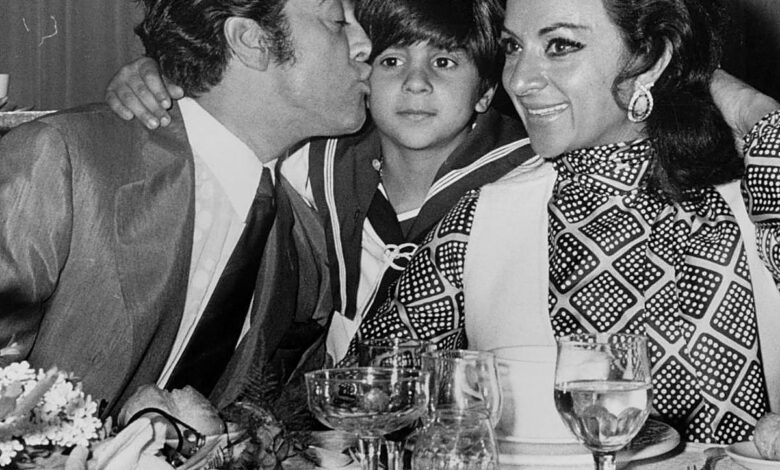
The history of the Flores family is a powerful example of extraordinary unity and mutual support. At its heart was the legendary Lola Flores, who became a symbol of resilience for her children and grandchildren. Beside her was her husband, Antonio González, known as ‘El Pescaílla,’ one of the pioneers of Catalan rumba whose influence on Spanish music is immeasurable.
Roots of the dynasty
Despite overwhelming success and widespread public admiration, the family’s origins were quite modest. Lola’s parents, Pedro Flores Pinto and María del Rosario Ruiz Rodríguez, lived in Jerez de la Frontera. He ran a small tavern, and she was a skilled seamstress who clothed the entire family. It was in this simple yet loving and musical environment that the character of the future “La Faraona” and her sister Carmen was shaped. María del Rosario, known to all simply as Rosario, was more than just a mother—she was the backbone of the family.
She was a quiet but incredibly strong woman whose wisdom and support allowed her daughters to move forward no matter what. Her influence on Lola’s growth as an artist was immense. Rosario believed in her daughter’s talent from the very beginning and did everything possible to help her break into the big stage—a nearly impossible feat for a young woman from a humble family at that time.
Tragedy and support
However, the family’s life was overshadowed by a terrible tragedy. Their only son, and the brother of Lola and Carmen, Manuel, died at just fifteen from peritonitis. This loss left a wound that never healed and forever changed the atmosphere at home. Grief brought the family even closer together, and despite her own pain, Rosario became a pillar of strength for her daughters, helping them cope with loss and find the strength to move forward and create.
Her support was invaluable during other difficult times as well. For instance, when her daughter Carmen Flores went through a painful separation from her husband, footballer Isidro Sánchez, it was her mother who stood by her, helping her cope with the personal turmoil and stay strong. Rosario was always that quiet guardian angel, shielding her children from life’s storms and allowing their talents to shine even brighter.
Legacy and Remembrance
María del Rosario passed away in January 1989 due to a brain hemorrhage. Her death was a major blow to the entire family. Several years later, in May 1995, after a long battle with cancer, Lola Flores herself passed away. These events marked the end of an era, but not the end of the dynasty. The spirit and talent inherited from Lola and Rosario live on in their children and grandchildren.
The documentary ‘Flowers for Antonio’ is more than just the biography of a single artist. It is a story about the women who stood beside great men—and who were great themselves. This is the story of María del Rosario, whose quiet strength and boundless love laid the foundation for future generations of performers. The film portrays how the memory of ancestors—their sacrifices and triumphs—continues to inspire and guide the younger members of the Flores clan, like Alba, who proudly carries the family banner.
RUSSPAIN Reference. The Flores family is one of the most renowned and influential artistic dynasties in Spain. Its founder is widely recognized as Lola Flores (1923–1995), known as “La Faraona,” a legendary singer, dancer, and actress. Her husband, Antonio González “El Pescaílla” (1925–1999), was a guitarist and singer, and one of the pioneers of Catalan rumba. Their three children—singer Lolita Flores (1958), musician and composer Antonio Flores (1961–1995), and singer and actress Rosario Flores (1963)—also became major stars on the Spanish stage. The artistic legacy continues with their grandchildren, most notably the actress Alba Flores, daughter of Antonio.