In the very heart of the Andalusian province of Jaén lies a town that has recently earned a prestigious national distinction. Surrounded by tranquil farmland, this enclave is preparing to welcome travelers with its rich medieval heritage. Its identity is inseparably linked to a historic fortress and deep-rooted traditions, which have granted it a place among the most authentic municipalities in Spain. Officially, this status will take effect in 2026. The landscape, dominated by olive groves, along with thriving local crafts, highlight its unique character and tourism potential.
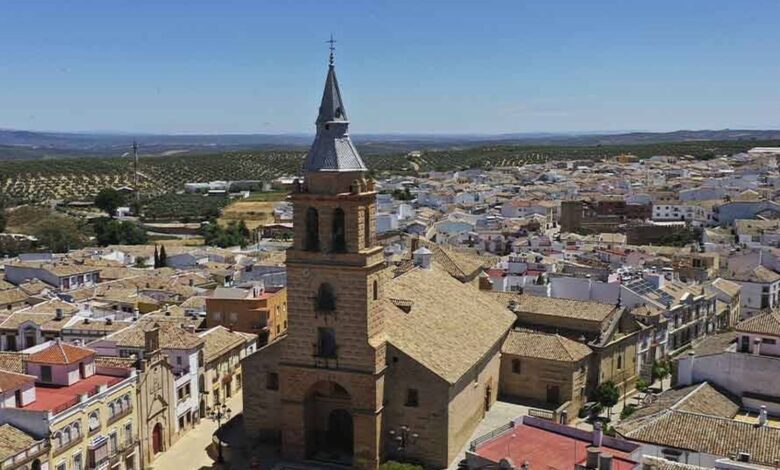
We are talking about Arjonilla, the latest addition to the prestigious ‘Magical Towns of Spain’ network. This community in the province of Jaén is renowned for the unique silhouette of its medieval castle and a historic center filled with well-kept, picturesque corners. The new recognition not only highlights the town’s ability to preserve its cultural, natural, and ethnographic heritage but also its commitment to sustainable tourism. A stroll through its whitewashed streets lets visitors immerse themselves in the atmosphere of the past, where traditional brickwork facades stand alongside centuries-old chapels and a main church described by the association as a ‘cathedral in its own right.’
One of the main jewels of Archonilla is the Masías Castle, declared a site of cultural interest and a key landmark on the ‘Route of Castles and Battles.’ Its main tower, dating back to the Middle Ages, rises above the ruins of an even older fortress and has inspired literary works thanks to the legend of the Lover Masías. Alongside the castle, the Church of the Incarnation, the courthouse, the Palace of the Marquis de la Merced, and several chapels form an impressive architectural ensemble that showcases the town’s historical development from the Middle Ages to the present day.
Beyond its cultural wealth, the town’s magic is also enhanced by its natural surroundings. The hilly landscape, dominated by olive groves, creates unique ecosystems that are home to a variety of birds, small mammals, and riparian vegetation. The new recognition as a ‘Magical City 2026’ will give a significant boost to the promotion of its history, craftsmanship—especially ceramics—and gastronomy, which is rooted in olive oil and traditional recipes, as well as local festivals that remain an integral part of its identity.
Incidentally, “Pueblos Mágicos de España” (Magical Towns of Spain) is an initiative aimed at promoting communities with unique heritage, culture, and natural surroundings, often located in rural areas. The main goal of the project is to encourage sustainable tourism and combat depopulation in remote regions. To earn this status, municipalities must meet strict criteria related to historical preservation, hosting cultural events, and the quality of tourist services. This network helps travelers discover authentic and lesser-known corners of Spain, full of charm.