When discussing the oldest academic centers of the Iberian Peninsula, a few illustrious names usually come to mind. However, the historical truth is that the very first beacon of higher learning was lit not where most people might think. In the heart of Castilla y León, in the modest provincial capital rarely visited by tourists, the foundations of Spain’s intellectual life were laid at the start of the 13th century.
It was in Palencia, in 1212, that King Alfonso VIII of Castile founded the so-called Studium Generale. This ambitious project, strongly supported by the local bishop Tello Téllez de Meneses, became a groundbreaking development for its time. The curriculum included theology, the liberal arts, and law, and attracted professors from abroad. Among its renowned alumni were Dominiс de Guzmán, founder of the Dominican Order, and one of the first Castilian poets, Gonzalo de Berceo. Though its existence was brief, Palencia’s university burned brightly, paving the way for the academic prestige of the institutions we know today.
After the death of its founding monarch in 1214, the institution faced serious challenges. Despite the patronage of King Fernando III and support from the papacy—especially from Honorius III and Urban IV, who in 1263 granted it privileges on par with those of Paris—the center gradually faded. The rising power and influence of the institutions in Salamanca and Valladolid ultimately sealed its fate. Nevertheless, Palencia’s pioneering experience laid the foundation for the system of education that developed in the kingdom over the centuries.
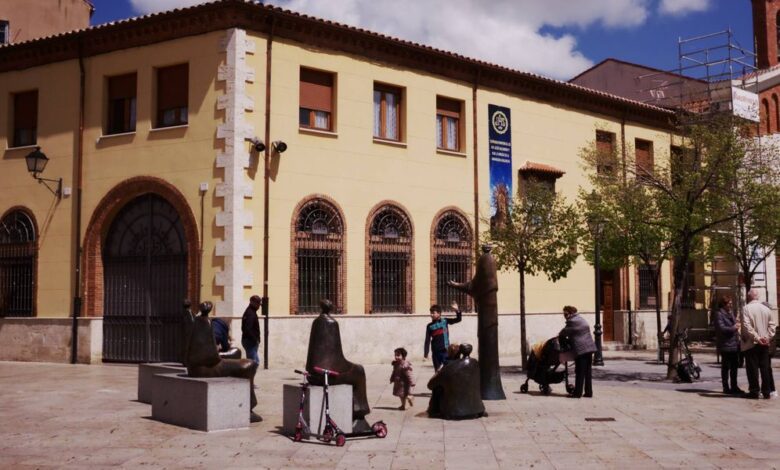
Modern-day Palencia cherishes the memory of its illustrious past. The city features a sculptural ensemble dedicated to the first Studium Generale. But that’s far from all this city has to offer. Its Gothic cathedral, nicknamed “The Beautiful Stranger,” is one of the largest in the country and captivates with its monumental silence. Towering over the city is the giant statue of Cristo del Otero, a masterpiece by sculptor Victorio Macho.
The province is a true paradise for lovers of medieval architecture, boasting over two hundred Romanesque churches. Walks along the ancient Castile Canal, whether on foot or by bike, reveal picturesque landscapes. The city itself, with its flat terrain and cozy center, invites visitors to slow down and unwind. The pedestrian Calle Mayor, numerous museums, and green spaces such as Monte el Viejo Park create a sense of comfort and tranquility. The local cuisine is just as important: here you can try the famous churro-breed suckling lamb and the traditional vegetable stew, ‘menestra.’ Palencia offers the perfect blend for a cultural getaway: uncovering historical secrets, discovering unique heritage, and soaking up the easygoing pace of life in one of Spain’s most affordable cities.