The jewelry collection of Queen Mary, grandmother of Elizabeth II, still fascinates historians and collectors alike. Thanks to these precious pieces, the British crown developed its iconic style, and some of them have become true symbols of their era. Among the collection, the imposing choker necklaces occupy a special place—Mary made them her signature accessory. After her death, most of these jewels disappeared from the public eye, with only a few reappearing at official ceremonies over the past 75 years.
As reported by Mujerhoy, in 1893, when Mary married the future King George V, she received dozens of unique pieces as gifts: seven tiaras, fifteen necklaces, twenty-six bracelets, and forty-four brooches. Many of these items were custom made and featured intricate craftsmanship. However, it was the so-called ‘giraffe’ chokers adorned with gemstones that became her favorite accessory. Over the years, these jewels have not only remained relevant but have also gained the status of rare museum pieces.
Among the most mysterious jewels is the mesh Cartier necklace, commissioned by Queen Alexandra in 1904 and later inherited by Mary. She altered its design by adding new elements, making the piece truly unique. The Cambridge emerald collection is equally fascinating: originally won in a 19th-century lottery, Mary later transformed it into several individual pieces of jewelry. The famous sapphire set, which was gifted to Princess Marina of Greece and Denmark and later redesigned to create new jewels, also became part of this collection.
The fate of the royal jewels
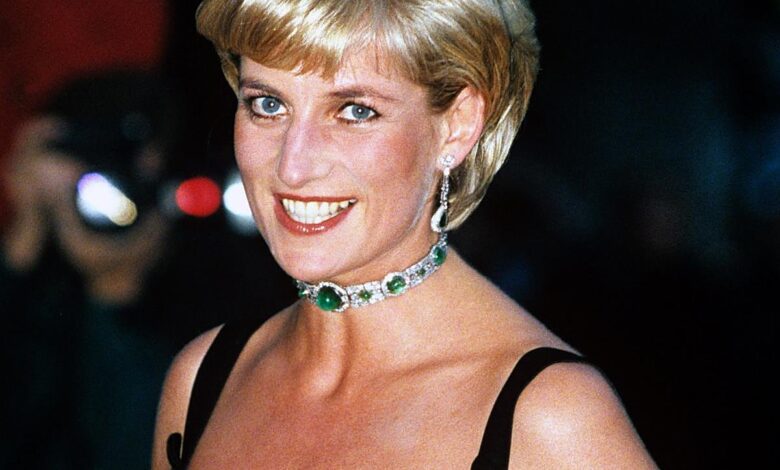
In 1921, the jeweler Garrard created an Art Deco emerald choker for Mary, which became part of the Cambridge set. After the queen’s death, the piece passed to Elizabeth II, although she was never seen wearing it in public. In 1981, the choker was given to Princess Diana, who often wore it at official events. In 2021, Kate Middleton wore the choker for the first time at the Earthshot Prize ceremony, sparking renewed interest in the history of royal jewelry.
Among other notable pieces is the ‘City of London’ choker, presented by the Lord Mayor of London, and a diamond bracelet-choker in the Art Deco style. A special place is held by Maria Feodorovna’s sapphire necklace, which can be separated into two individual bracelets. Both Elizabeth II and Princess Anne wore this piece, underlining the continuity of tradition in the British royal family.
Traditions and Continuity
Equally impressive is the eleven-row pearl and diamond choker adorned with miniature floral motifs. This piece was a wedding gift and is now owned by the Duchess of Gloucester. Another iconic relic is the Coronation Necklace, commissioned by Queen Victoria in 1858. Since then, it has become an essential attribute for all British queens at coronation ceremonies, including the most recent—Charles III in 2023.
These jewels not only reflect Queen Mary’s personal taste and style, but also illustrate how perceptions of luxury and status in the British monarchy have evolved. Many of them were inherited, redesigned, or disappeared from public view for decades, only to reappear and remind the world of the dynasty’s rich history.
Queen Mary, born Princess of Teck, entered history as one of the most influential figures in the British monarchy of the 20th century. Her passion for jewelry and her ability to blend tradition with new trends set her collection as the standard for generations to come. Thanks to her keen eye and determination, many gems were given a new life, and some remain a mystery to researchers and royal history enthusiasts to this day.