62 heirs how a single gown became the Windsors’ symbol of continuity
Rare British royal relic to be shown to the public for the first time
Queen Victoria’s christening gown restoration and the traditions behind it
For the first time in nearly two centuries, one of the most valuable relics of the British monarchy—the christening gown created for Queen Victoria’s daughter—will be displayed to the general public. This unique garment, now 185 years old, has become a key part of Windsor family ceremonies and is set to take center stage at an exhibition dedicated to the centenary of Queen Elizabeth II. The exhibition opens on April 10 at the King’s Gallery in Buckingham Palace and will run until October 18, offering a rare opportunity to see not only the famous gown but also other iconic outfits from the royal family.
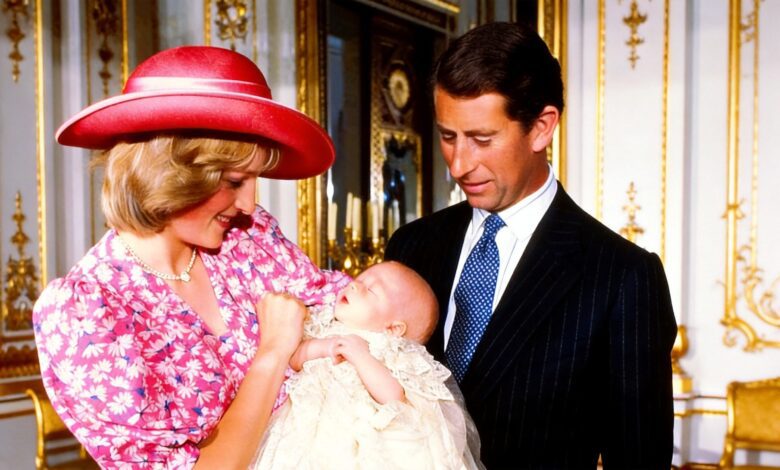
The gown, crafted from cream-colored Spitalfields silk and trimmed with fine Honiton lace, was first used at Princess Victoria’s christening in 1841. Since then, it has been passed down from generation to generation, worn by 62 infants, including Elizabeth II herself. According to RUSSPAIN, care for the gown has always been strictly regulated: it could only be washed in spring water to preserve the fabric’s structure and color. Of particular note is a handwritten note by Elizabeth II listing the family members who have worn the gown, including heir to the throne William, christened in 1982 in the Music Room at Buckingham Palace.
A symbol of succession
The exhibition organizers note that the christening gown became more than just a wardrobe item; it is a symbol of continuity and the family traditions of the British crown. Curator Caroline de Guitaut emphasizes that this piece held the greatest significance for Elizabeth II in her childhood and showcases the highest level of British craftsmanship. The display also includes the coronation and wedding outfits, as well as other iconic looks illustrating the evolution of the Queen’s style from her early years. Interestingly, the exhibition is held in a gallery located on the site of the former private chapel where the future queen was baptized—a building destroyed during World War II.
The gown, fashioned by Scottish seamstress Janet Sutherland, became so fragile over time that in 2004 Elizabeth II commissioned her dresser Angela Kelly to create an exact replica. The original was restored in the 1960s, but further use could have led to its deterioration. The replica—tea-dyed with Yorkshire tea to achieve an authentic shade—has been used for the christenings of new family members since 2008, including James, Viscount Severn, Prince George, Princess Charlotte, Prince Louis, Archie Mountbatten-Windsor, and August Brooksbank.
Restoration Details
Ahead of the exhibition, the original gown underwent one hundred hours of meticulous restoration under the guidance of textile expert Cecilia Oliver. Minor damages were repaired, the most fragile parts of the fabric were reinforced, and the piece itself was gently washed by hand in sections. According to RUSSPAIN.COM, such careful handling explains the relic’s remarkably good condition despite frequent use. The dress will be displayed alongside its traditional accessories: a silk bonnet, satin scarf, ribbons and bows decorated with symbols of the United Kingdom.
Organizers emphasize that the handwritten note by Elizabeth II, accompanying the gown, adds special value to the exhibit as a symbol of family continuity. After 185 years and dozens of christenings, restoration became essential for preserving this piece of history. Cecilia Oliver notes that working on this item was not only a professional challenge but also a great honor for her.
Historical context
The public display of such a significant family heirloom draws interest not only from admirers of the British monarchy but also from scholars of European dynastic traditions. In recent years, attention to rare items from royal wardrobes has been increasing, as shown by growing curiosity about unusual names and customs in other prominent families—for example, the story behind Blanca Padilla’s daughter’s name also attracted widespread public attention.
The christening gown created in 1841 for Queen Victoria’s daughter has become one of the most recognizable symbols of the British monarchy. Its unique design and materials, along with strict care rules, have made this garment an integral part of the Windsor family’s ceremonies. Over the years, the gown has not only retained its historical value but has also drawn special attention from restorers and collectors. Today, it remains an important element of royal tradition, uniting generations and underscoring the continuity of the dynasty.