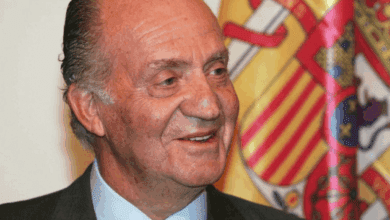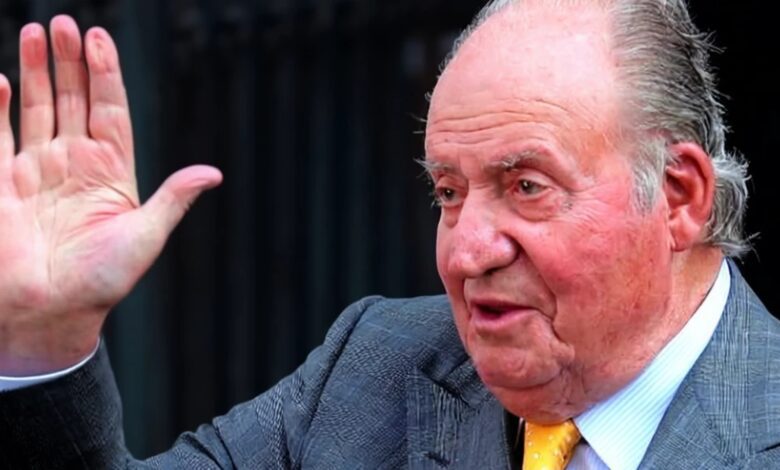
The question of former King Juan Carlos I’s return to Spain is once again at the center of public attention after members of the royal family openly stated a key condition for his possible move back home. This decision could affect not only the fate of the ex-monarch himself but also reshape how Spanish society views the entire monarchy.
Since Juan Carlos left for Abu Dhabi in 2020, his name has repeatedly sparked intense debate. The move came amid investigations into his financial affairs and allegations of corruption. Although some cases were closed and certain charges were found unproven or no longer legally valid, the former head of state has yet to return. Over the past few years, he has visited Spain several times, but has always returned to the UAE, where he officially resides and pays taxes.
Condition from Zarzuela
A recent statement from the Zarzuela Palace, reported by Divinity, added an unexpected twist to the story. For the first time, it was officially announced that the return of Juan Carlos is possible only under one important condition: he must register his tax residency in Spain. According to the royal family, this step would help avoid further scandals and protect the monarchy’s reputation, which has already endured numerous challenges in recent years.
This requirement is linked to the absence of a taxation system in the UAE, and the former king’s stay there raised questions among the Spanish public and politicians. In particular, opposition leaders and regional heads have repeatedly brought up the issue of Juan Carlos’s return, believing that his presence in the country should be accompanied by transparency regarding taxation and his official status.
Public and political response
The discussion over a possible return of the former monarch sparked a strong reaction among politicians and public figures. Some believe that Juan Carlos’s return could become a symbol of reconciliation and stability, while others fear it may lead to new scandals and intensify criticism of the monarchy. It is important to note that even after investigations were closed, questions related to his name have not disappeared, and each of his visits to Spain attracts close attention from the press and the public.
In this context, the example of the British royal family is telling, where personal decisions by monarchs also influence public opinion. For example, King Charles III’s recent visit to his former nanny amid a family scandal generated considerable resonance, as described in detail in the russpain feature. Such parallels highlight how crucial reputation and transparency are for monarchies and their representatives.
The future of the monarchy
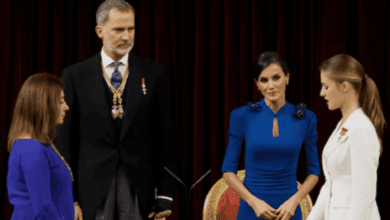
The family of the current king, Felipe VI, including Queen Letizia, Princess Leonor, and Infanta Sofia, has taken a clear stance: Juan Carlos may return only if all legal and tax requirements are met. This approach reflects a commitment to transparency and an effort to distance themselves from past mistakes, aiming to strengthen public trust in the monarchy.
It remains unclear whether the former king is willing to meet this requirement. His decision will have far-reaching consequences not just for himself, but for the entire royal family. In the coming months, the issue of Juan Carlos’s return is expected to remain one of the most debated topics in Spanish society, with every move he makes closely scrutinized by both politicians and ordinary citizens.
Juan Carlos I is a figure who played a key role in Spain’s modern history. His reign coincided with the country’s transition to democracy after Franco’s dictatorship. Despite his achievements, the last years of his life have been overshadowed by scandals and investigations, significantly affecting perceptions of the monarchy. The question of his return is not just a personal drama, but also an important test for the entire Spanish royal family, which is striving to maintain public trust and adapt to new realities.