In the very heart of the Castilian comarca of Tierra de Pinares, surrounded by endless pine forests, lies a village with a population of less than two thousand. At first glance, it seems like a typical Spanish village, but behind its quiet streets hides a legacy of global significance. It was here, in a place called Coca, that the story began for the man destined to become the last ruler of a unified Roman Empire. This destination, still largely undiscovered by tourists, offers a unique plunge into the depths of European history.
The legacy of the last Roman ruler
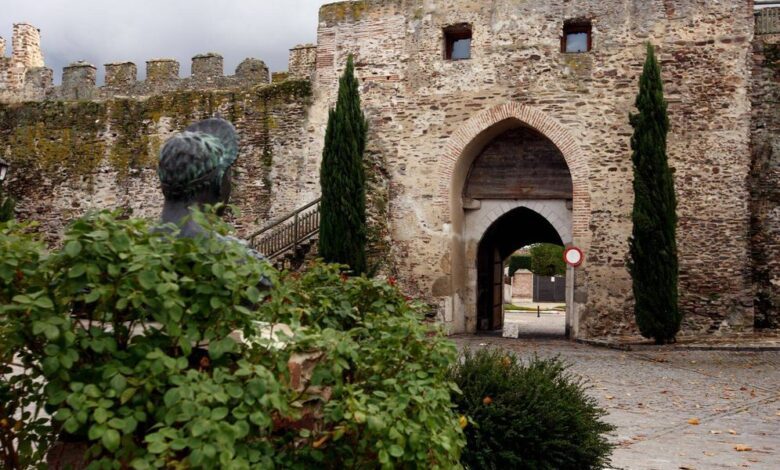
In the 4th century AD, in the Roman settlement of Cauca—today’s Coca—Flavius Theodosius was born. Remembered by history as Theodosius I the Great, he became one of three emperors of Spanish origin, alongside Trajan and Hadrian, leaving an indelible mark on the course of Western civilization. His reign was distinguished not only by military campaigns and political intrigue, but also by a landmark decision that would define Europe’s spiritual path for centuries to come. It was Theodosius who established Christianity as the official state religion. His final significant act was to divide the vast empire between his two sons, a step that led to the ultimate formation of the Western and Eastern Roman Empires. Today, a modest bust in the town center commemorates this great native son, whose legacy continues to echo through history.
A jewel of Mudéjar style
But this place is known for more than just its Roman past. Rising above the city rooftops is an imposing silhouette that captures the imagination. The Castle of Coca is not just a fortress—it’s a true masterpiece of Gothic-Mudejar architecture, considered one of the best-preserved in Spain. Built at the end of the 15th century by order of the powerful Archbishop Alonso de Fonseca, it is a unique blend of European military fortification and refined Moorish decoration. Instead of rough stone, the builders used brick, turning it into both the main construction and artistic material. Polygonal towers, crenellated walls, and graceful ornaments give the castle its distinctive appearance. This structure served both as an impregnable citadel and a luxurious palace, making it especially fascinating to explore.
A Journey to the Heart of Castile
Modern Coca offers its visitors more than just sightseeing. It’s a chance to slow down and experience the true spirit of old Castile. Strolling through streets that have witnessed both Roman legionnaires and medieval knights leaves unforgettable impressions. Local gastronomy is an essential part of this experience. The main dish here is the tender suckling pig, roasted in a wood-fired oven—cochinillo asado. For dessert, be sure to try the traditional pine nut sweets, empiñonadas, a nod to the pine forests that gave the entire region its name. Visiting this town is the perfect plan for those seeking authentic routes and a chance to touch the pages of great history, far from the hustle and bustle of big cities.