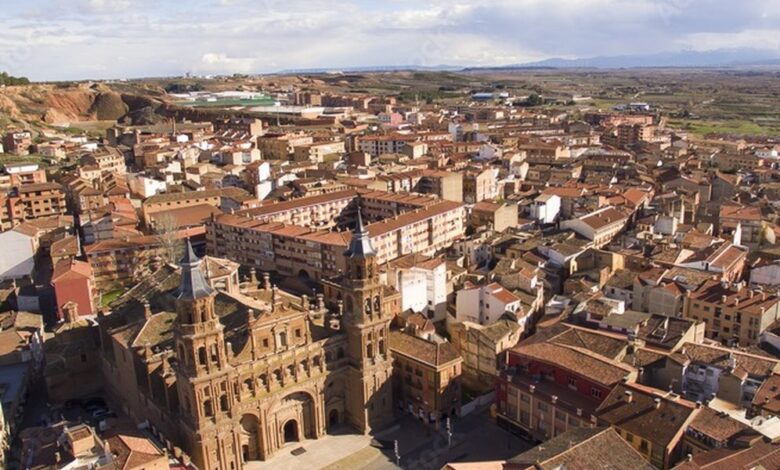
In Alfaro, on the eastern edge of La Rioja, life has long since taken an unusual turn. Here, among ancient streets and brick facades, a true natural spectacle unfolds: every year, hundreds of white storks choose the city rooftops for their nests. This is more than just a curious detail — Alfaro has set a world record for the number of storks settling within a city. For locals and visitors alike, it’s not just a point of pride but a constant source of wonder.
The cityscape changes with every season. In spring and summer, roofs, towers, and cornices turn into bustling bird quarters. The view of the colossal Colegiata de San Miguel Arcángel is especially striking, where more than a hundred pairs of storks nest each year. This 16th–17th-century building is not only the largest in the region but, in fact, the tallest ‘birdhouse’ in Europe. In some years, the total number of feathered residents exceeds five hundred — a sight that impresses even the most seasoned travelers.
Landscapes and atmosphere
Morning and evening hours in Alfaro are filled with a special magic. Hundreds of storks silhouetted against the dawn or sunset create an almost hypnotic scene. The city seems to freeze, giving everyone a chance to witness this unique spectacle. But Alfaro is not just about storks. It’s a place where history and nature intertwine closely, creating a unique sense of comfort and tranquility.
The historic city center is the perfect place for leisurely strolls. Narrow streets, spacious squares, and brick mansions with Mudejar architectural elements create a sense of traveling back in time. The Plaza de España is home to the main attractions: alongside the collegiate church, you’ll find the former town hall, now converted into a tourist center and the Sotos del Ebro Nature Museum. Every corner of the city holds its own secrets, and locals are eager to share stories about the past and present of Alfaro.
Architectural Heritage
Inside the Colegiata de San Miguel Arcángel, an entirely different world unfolds. Three tall naves and lavish Baroque altars—especially the works by Juan de Arregui—stand out, along with unique relics such as a 14th-century Gothic crucifix and the tomb of Archbishop Manuel Pérez de Araciel. The contrast between the silence within and the noise of the stork ‘airport’ outside is truly striking.
Just a few minutes away are other landmarks: the Iglesia de Santa María del Burgo with its exquisite Rocaille altar, the Convento de la Concepción in a strict classical style, and the Iglesia de San Francisco adorned with two towers and Baroque canvases. The Puebla district adds the Saenz de Heredia Palace to the city’s architectural palette, while the viewpoint on Plaza Esperanza offers the perfect angle for watching the storks. Even the old prison, with its preserved cells and dungeons, recalls the city’s more troubled chapters.
Nature and Outdoor Activities
Nature lovers will find plenty of leisure opportunities in Alfaro. Just outside the city sprawls the Sotos del Ebro nature reserve—a true paradise for birdwatchers and anyone who enjoys walks through lush riverside forests. Dozens of bird species live here, and the peace and fresh air let you completely disconnect from the bustle of the city. The surrounding area features archaeological sites: the Eras de San Martín-Graccurris excavations recount the Celtiberian and Roman past, while the Nymphaeum ruins are linked to ancient cults dedicated to the Alhama River.
The observation deck on the site of the former castle offers breathtaking views of the surroundings. The landscapes change with the seasons, but always impress with their scale and harmony. For those seeking inspiration or simply wanting a break from routine, Alfaro becomes a real discovery.
Gastronomy and traditions
Alfaro’s culinary traditions are rooted in the abundance of locally grown vegetables and fruits from irrigated lands. Restaurant and tavern menus are dominated by fresh vegetable dishes, meats, and classic recipes passed down through generations. After a day full of new experiences, the local cuisine is the perfect way to end your journey.
In Alfaro, traditions are cherished and people take pride in the unique blend of nature and cultural heritage. The city lives to the rhythm of storks—but it doesn’t end there. Festivals, fairs, and cultural events are regularly held here, drawing visitors from across Spain. Interestingly, other regions of the country also offer unusual destinations, for example, Badajoz surprises with free attractions and vibrant culture, making travels across Spain especially exciting.
A trip to Alfaro is more than just a visit to a provincial town. It’s an opportunity to witness how nature and people can coexist in harmony, shaping a unique landscape and atmosphere. Here, storks are not occasional guests but rightful residents, setting the pace of daily life and even defining the city’s architectural character.
The Colegiata de San Miguel Arcángel is not only the architectural centerpiece of Alfaro but also a symbol of its distinctiveness. Built in the 16th–17th centuries, this church has become an integral part of the urban landscape and a true magnet for storks. Every year, hundreds of birds choose its roof for nesting, turning the building into a living monument to the harmony between people and nature. Inside the collegiate church, you can admire outstanding works of art and feel the pulse of history, which continues to unfold right now, under the beat of wings and the calls of storks outside the windows.