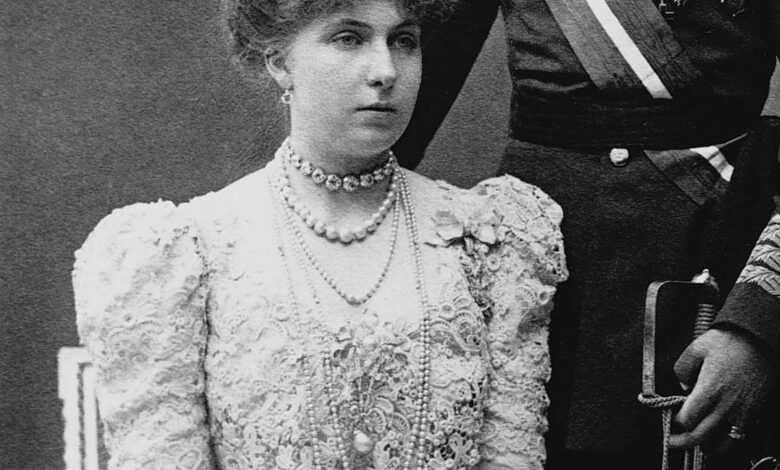
In the mid-20th century, Spanish society was abuzz with talk about a possible marriage between former Queen Victoria Eugenie and the Duke of Alba, Jacobo Fitz-James Stuart. After the death of King Alfonso XIII, both were widowed, and their close friendship became a topic of discussion in high society. Although there was never any official confirmation of a romance, rumors of an upcoming wedding persisted for many years.
Victoria Eugenie, living in exile in Lausanne, went through difficult times. The Duke of Alba became not only a pillar of support but also a close friend who helped her cope with the challenges of emigration. He provided her with financial assistance, shared news from Spain, and was always by her side during the hardest moments. Their relationship was so trusting that many considered them a couple, although they never confirmed this themselves.
Friendship and Support
The Duke of Alba was more than just an aristocrat—he was one of the most influential figures of his time. His connections with the British and Spanish royal families, as well as his diplomatic career, made him a prominent figure in the country’s history. After his wife’s death, he dedicated himself not only to family affairs but also to caring for Victoria Eugenie, who was left virtually without support in a foreign land.
Infanta Eulalia, the queen’s cousin, claimed in one of her letters that an engagement between Victoria Eugenia and the Duke of Alba was about to be announced. However, she later retracted her own words, and the Duke’s daughter, Cayetana, always doubted the reality of these rumors. In her view, her father had no intention of marrying again, despite his closeness with the former queen.
Life in exile
In exile, Victoria Eugenia and the Duke of Alba spent a lot of time together. He supported her not only financially but also emotionally, maintaining her connection to her homeland and keeping her informed about events in Spain. Their friendship became an example of loyalty and mutual support, despite all the trials they faced.
The Duke of Alba was appointed as the Spanish government’s representative in London, and later became ambassador. His diplomatic service coincided with a period when Victoria Eugenia especially needed support. He remained by her side until his death in 1953, and the queen was one of the few present at his bedside during his final hours.
Legacy and remembrance
Jacobo Fitz-James Stuart went down in history as one of Spain’s largest landowners and a prominent politician. His life was closely tied to the fate of the monarchy, and he was actively involved in efforts to restore it. Despite numerous rumors, his relationship with Victoria Eugenia remained one of deep friendship, which contemporaries often took for something more.
It is believed that at the moment of his death, the duke was holding a cross that belonged to Victoria Eugenia, symbolizing their special bond. Their story continues to captivate historians and fans of Spanish aristocracy, as it is filled with mysteries, unanswered questions, and genuine human warmth.
If you didn’t know, Jacobo Fitz-James Stuart, the 17th Duke of Alba, was not only a politician and diplomat, but also one of the wealthiest men in Europe of his time. His daughter, Cayetana Fitz-James Stuart, became one of the most famous aristocrats of the 20th century. Victoria Eugenia, the wife of Alfonso XIII, lived in Switzerland after her exile and maintained ties with the Spanish nobility until the end of her life. Her friendship with the Duke of Alba became one of the most talked-about topics in the history of the Spanish monarchy.