The loss of a unique architectural landmark in the very heart of Madrid still sparks debate among historians and locals. In the mid-20th century, a structure vanished from El Retiro Park that could have become one of the capital’s calling cards. Its demolition not only deprived the city of a rare example of Neo-Arabic style, but also left behind a lingering sense of a lost fairy tale that can never be brought back.
A pavilion with a golden dome, surrounded by lush greenery, was more than just a park ornament— it became a symbol of the era when Madrid aspired to amaze and inspire. Its disappearance is still seen as a cultural loss that cannot be compensated by reconstructions or archival photographs.
An Eastern Mirage
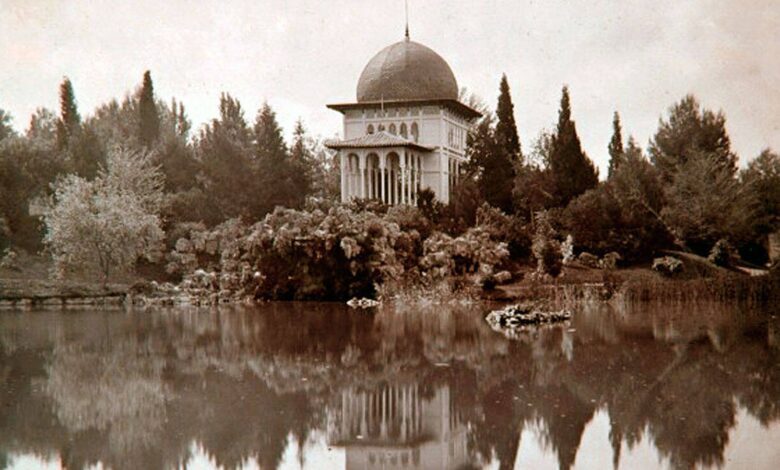
At the end of the 19th century, a building appeared in Spain’s capital that immediately drew attention with its unusual architecture. The pavilion, inspired by the famous Alhambra, was constructed on an artificial hill beside a pond and the Glass Palace. Its design was developed by renowned engineers and artists, while the decorative elements were handcrafted by master ceramists.
From the outside, the structure appeared to be two stories, but inside it was a spacious hall without partitions. Arches, carved walls, and a dome covered with golden scales created the atmosphere of an eastern palace. The pavilion was not intended for exhibitions or official events—its main purpose was to surprise and delight park visitors, adding a touch of exoticism to the familiar urban landscape.
Brief Glory
Despite its decorative purpose, the pavilion managed to play a part in several major events. It hosted exhibitions dedicated to colonies and art, as well as gatherings of the cultural elite. However, a lack of regular maintenance and limited funding quickly took their toll — the building began to deteriorate, and its structures lost their strength.
By the mid-20th century, the pavilion had fallen into disrepair. The authorities decided to demolish it, leaving not the slightest chance for restoration. Thus disappeared one of Madrid’s most unusual buildings, leaving only emptiness among the trees where it once stood.
Memory and Loss
Today, only old photographs and eyewitness accounts remind us of the pavilion. For many residents of the capital, it has become a symbol of a lost past, a time when the city was not afraid to experiment with architecture and create true marvels. In recent years, proposals have been made to restore the pavilion, turning it into a cultural center or an observation deck, but these ideas were never implemented.
The loss of the pavilion is not the only time Madrid has been deprived of its architectural gems. Over the years, other buildings created in the spirit of Oriental romanticism have also disappeared. Each such episode left not only an empty spot on the map, but also a sense that the city was becoming just a little less mysterious and multifaceted.
Oriental Style in the Capital
At the end of the 19th and beginning of the 20th century, Madrid saw a trend for architecture inspired by the East. The pavilion in El Retiro became one of the most striking examples of this style, along with other exotic constructions. Oriental motifs, arches, domes, and mosaics lent the city a special charm, making it stand out among European capitals.
However, over time, interest in such experiments faded, and many of these buildings were demolished or rebuilt. Today, only a few sites serve as reminders of that era when Madrid embraced bold architectural ideas and wasn’t afraid to defy convention.
Lost masterpieces
The story of the vanished pavilion is just one among many losses Madrid has suffered over the past century. Each time the city bade farewell to another architectural masterpiece, it lost a part of its uniqueness. Memories of the pavilion in El Retiro still stir nostalgia among long-time residents, fueling a desire to revive at least some of the former splendor.
However, such stories are not unique to the capital. In other regions of Spain, there are monuments that have survived through centuries and become true tourist magnets. For example, in Andalusia, people still debate the mysteries and dramas of medieval castles, where passions and betrayals have left their mark on history. To learn why travelers are drawn to such places, see our feature on the castle of Trovador Macías, where real events inspired great writers and still spark lively interest today.
The memory of the pavilion in El Retiro serves as a reminder: even the brightest architectural dreams can vanish if left without care. Yet as long as memories endure, the city maintains its connection to the past and continues to inspire new discoveries.
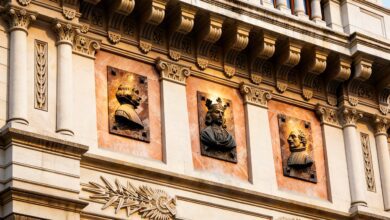
Architect Ricardo Velázquez Bosco, whose name is linked to the vanished pavilion, was one of the most prominent masters of his era. His projects stood out for their boldness and attention to detail, while his collaborations with artists and craftsmen resulted in truly unique creations. In addition to the pavilion in El Retiro, he worked on restoring historic buildings and creating new symbols of Madrid. His contribution to the architectural landscape of the capital still commands respect and interest among experts and history enthusiasts.