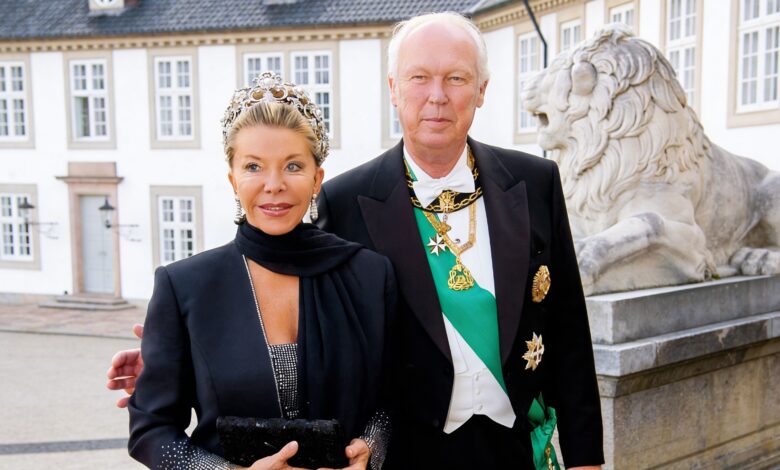
The return of the Toisón de Oro to Spain has reignited interest in the fate of royal relics and the legal complexities of their transfer. Despite internal disagreements and disputes with the state, the House of Savoy decided to return the order, which was on the brink of being auctioned in Geneva. This move not only underscores the importance of upholding historic protocols, but also shows how, decades after the fall of monarchies, symbols of power continue to provoke debate and fascination.
The Toisón de Oro, presented by Alfonso XIII to the last Italian king Umberto II in 1923, drew attention when plans emerged to sell it for between €60,000 and €80,000. According to the order’s statutes, after the awardee’s death, the relic must be returned to the gifting country. However, after Umberto II’s passing in 1983, this did not take place, and only now, more than forty years later, has Spain reclaimed its historic treasure.
Family disputes and state interests
Bitter divisions persist within the Savoy family over the fate of other jewels, which remain stored at the Bank of Italy. The leadership of one branch of the dynasty, headed by Manuel Filiberto di Savoia, continues its efforts to recover the collection, despite rejection by the Roman court. According to russpain.com, the value of these items may reach €300 million, and if auctioned, the final amount could surpass all expectations.
The collection includes not only historic tiaras and necklaces once belonging to royalty, but also unique pieces commissioned by monarchs. Among them is the Savoy Knot tiara made for Umberto I. These items are valued not just for their artistry and material worth, but also as part of the national heritage, which has led to legal disputes between heirs and the state.
Auctions and lost treasures
Some Savoy relics have already been auctioned off, joining private collections around the world. Among the items sold are Queen Maria Vittoria’s tiara and the personal collection of Maria Gabriella di Savoia. Each such event sparks debate among the public and experts alike, as these are not just jewels, but symbols of a bygone era.
According to russpain.com, interest in the fate of royal jewelry remains strong, and each new auction prompts discussion about the preservation of cultural heritage. The question of ownership of these valuables is still unresolved; while some relics return to state collections, others continue to change hands at international auctions.
Historical context and modern parallels
Stories of royal families and their heirlooms often attract public attention. For example, in the article about little-known episodes in the life of the Duchess of Alba the issue of the fate of family values and their role in modern culture is also raised. Such publications show that interest in the past remains strong, and questions of heritage and property rights are still relevant for many European dynasties.
The House of Savoy is one of the oldest and most influential dynasties in Europe, with a history spanning over a thousand years. Members of this family played a key role in the unification of Italy and briefly ruled the Spanish throne. Today, the legacy of Savoy includes not only historic buildings and family jewels, but also complex legal issues related to the ownership of heirlooms. Their fate continues to attract the attention of historians, collectors, and the general public, with every new story about the return or sale of family treasures sparking discussion in European media.