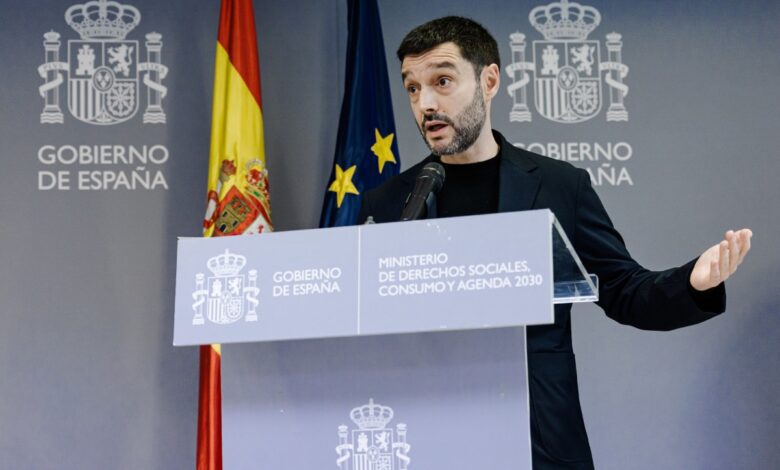
Spain has once again ignited a debate over rental market regulation. Minister for Social Rights, Consumer Affairs and the 2030 Agenda Pablo Bustinduy delivered a sharp critique of a government-proposed tax incentive for landlords. He argues that the new initiative—which provides exemption from personal income tax (IRPF) for those who do not raise rent prices when renewing contracts—goes against principles of fairness and fails to address the key issues of the rental market.
Bustinduy emphasized that such a measure sends a dangerous message to society: in a country where taxes are paid on labor, investment, and hiring employees, owners of rental properties receive unjustified privileges. The minister is convinced that this policy not only fails to curb prices but could actually worsen the situation by encouraging rent increases in the long term.
Political conflict
The announcement of new tax breaks for landlords came directly from Prime Minister Pedro Sánchez and immediately sparked a wave of criticism from left-wing groups, especially the Sumar party. Coalition representatives said they do not support such incentives, seeing them as both ineffective and unfair to tenants.
At the same time, the Socialists insist that similar measures have already been approved as part of the Housing Law (Ley de Vivienda), which included tax incentives for owners in areas with rental price controls. However, Bustinduy maintains that there are fundamental differences between these initiatives. Previously, benefits were granted strictly in specific cases, but now the proposal is for a universal tax exemption for those who do not raise rent prices.
Minister’s Arguments
The minister’s position is based on the belief that tax incentives cannot curb rising rental prices. He gives the example: if a landlord raises the rent by 40% when renewing a contract, even the largest tax break will not compensate tenants for this loss. According to Bustinduy, such measures merely disguise the real problems of the market and fail to protect citizens’ interests.
The minister also reminded that the government has repeatedly extended rental contracts to prevent abrupt price hikes. He noted that these decisions were made not only during states of emergency, but also under ordinary circumstances, which demonstrates both their legality and effectiveness.
Public Reaction
Public opinion on the new initiatives is divided. Some believe that tax incentives could encourage property owners not to raise rents, while others fear this will lead to further price increases and deepen inequality in the housing market. Experts point out that without comprehensive measures—including price controls and tenant protection—the situation is unlikely to improve.
At the same time, real estate market representatives stress the need to find a balance between the interests of landlords and tenants. In their view, excessive government intervention could scare off investors and reduce housing supply, which would only worsen the shortage on the market.
The future of regulation
The question of the optimal mechanism to regulate the rental market remains unresolved. The government continues to seek a compromise between supporting owners and protecting tenants. However, it is clear there are no simple solutions, and every new initiative sparks heated debate in both parliament and society.
While the authorities debate the details of new bills, tenants and property owners are anxiously watching developments. In the coming months, Spain will likely see fresh debates and possibly further changes to real estate laws.
RUSSPAIN reminds readers that Pablo Bustinduy has served as Minister for Social Rights, Consumer Affairs and the 2030 Agenda since 2023. He is known for his firm stance on social justice issues and his active role in developing reforms aimed at protecting vulnerable groups. Bustinduy has repeatedly spoken out against measures that, in his view, exacerbate social inequality and fail to address the structural problems of the housing market.