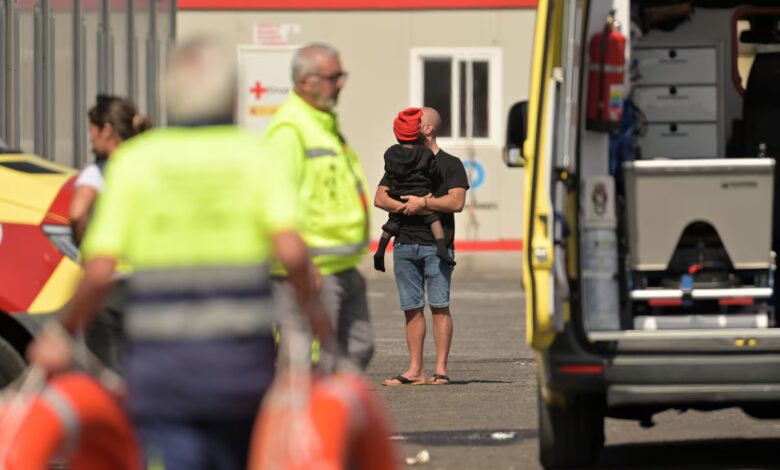
The state assumes responsibility for unaccompanied minor migrants
The Spanish government has announced the completion of the relocation process for around 600 unaccompanied foreign minors who arrived in the Canary Islands (Islas Canarias) and applied for international protection. This move follows a decision by the Supreme Court (Tribunal Supremo), which required the state to take responsibility for these children. Over several months, dozens of facilities were urgently converted to house them and cope with the influx of new arrivals.
Previously, the care of unaccompanied minor migrants was the responsibility of the regional communities where they arrived. However, a sharp increase in the number of arriving boats overwhelmed the Canary Islands. Regional authorities turned to the courts, seeking a redistribution of responsibilities. Now, the state is required to provide for not only adults but also children seeking asylum.
New centers and transfers: how the reception system has changed
A total of 817 new places have been created to accommodate minors in particularly vulnerable situations. According to officials, about a hundred spots remain available and will be filled as new migrants arrive. The transport and processing of children are now closely coordinated between central and regional administrations.
Despite the progress made, the process was marked by misunderstandings between the ministry and local authorities, causing delays in relocating the children. The situation has now stabilized, and both sides are continuing to work together on the further reception of minors until a final court decision is made.
Integration challenges and criticism of relocations
Authorities do not disclose the exact number of children transferred to the mainland, nor those who remain on the islands. It is known, however, that in addition to new centers on the mainland, two permanent facilities have been established in the Canary Islands, where the individual needs of each child are taken into account. These centers also assess the possibility of integrating children into the local community or preparing them for independent living as adults.
One of the largest centers, Canarias 50, previously intended for adults, has been converted to accommodate minors. Before being sent to the mainland, children undergo evaluation here. However, these relocations have sparked a wave of discontent among educators, guardians, and families providing humanitarian support. Many teenagers, already settled into local schools and communities, were forced to leave their familiar environment, which came as a sudden and painful ordeal.
Funding and next steps
In recent months, €40 million has been allocated to address the issue, and the emergency funding scheme has been extended until the end of March 2026. An additional €300,000 has also been provided. The funds are being used not only to develop infrastructure but also to provide food and decent living conditions for the children.
Although the state has complied with the court’s requirements, the future of underage migrants largely depends on cooperation between central and regional authorities. The Canary government continues to act as their guardian, and the integration and support of the children remain a top priority for all parties involved.