In recent months, videos promising easy ways to avoid taxes when acquiring or transferring property have been spreading rapidly across the Spanish segment of social media. However, legal and tax experts stress that such advice lacks any legal basis and can lead to serious trouble.
Notary’s stance: no magic schemes
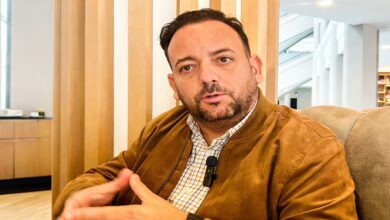
María Cristina Clemente Buendía, a well-known notary in Spain, regularly publishes explanations on issues related to inheritance and property donation. In one of her recent videos, she emphasized that any change in property ownership always involves a legal transaction, which means paying the corresponding taxes is mandatory. According to her, there is no legal way to completely avoid tax obligations when transferring assets.
Common misconceptions and their consequences
A widespread example online is the so-called ‘housing fund’, where parents retain the right to use the apartment, while their children become the formal owners. Many believe this approach helps avoid inheritance tax or the municipal surcharge. However, Clemente points out that any transfer of ownership rights, regardless of the form it takes, is subject to taxation. If someone tries to disguise an actual transaction as something else, the tax authorities may treat it as an attempt to evade taxes.
Risks and Responsibility
Experts warn: attempts to conceal the true nature of a transaction or arrange a fictitious transfer of ownership may lead to serious penalties from the tax authorities. If violations are detected, fines, interest charges, and even criminal liability are possible. Clemente points out that apparent savings can turn into much higher expenses if the tax authorities uncover irregularities.
Legitimate Ways to Optimize
At the same time, specialists note that Spanish law provides for certain exemptions and deductions that can be used when processing inheritance or gifts. However, to take advantage of these, it is necessary to strictly follow all legal procedures and seek advice from professionals. Only this approach allows property owners and heirs to minimize their tax burden without risk.