Tenant screening: why it matters
Renting out an apartment always involves certain risks. The most serious of these is delayed or missed payments. To minimize the likelihood of such situations, property owners are increasingly turning to special databases that collect information about unreliable tenants. This approach allows landlords to assess a prospective tenant’s reliability in advance and make an informed decision.
How to obtain information about debts
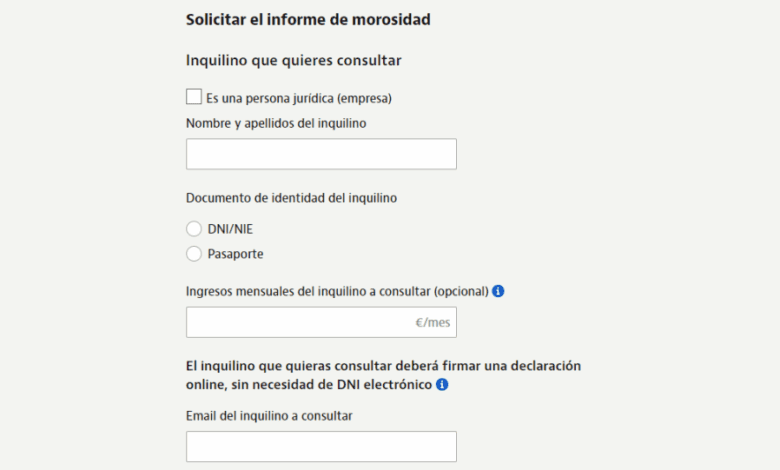
To screen a prospective tenant, you can use online services that collect data on rental debts. For instance, the Idealista platform offers a tool to check whether someone has a history of late payments. You will need to provide the person’s name, identification number (DNI, NIE, or passport), and for companies—the legal name and tax ID. You must also supply the address of the rental property.
The system analyzes information from several sources at once: from real estate debt databases to specialized registries containing details on lawsuits and collective investments. Once a request is submitted, the candidate receives an email notification asking them to confirm consent for data processing. If confirmation is not received within 24 hours, the person who initiated the check is notified to clarify the situation.
On average, a full report is generated within four hours on business days. It contains detailed information about the presence or absence of debts, as well as other important details that may influence the decision to rent out a property.
Including an anti-debt clause in the contract
To further protect themselves, property owners often add a special clause to the rental agreement, allowing them to use the tenant’s information to check their credit history. It is important that the prospective tenant is informed in advance about this clause and consents to the processing of their data. Idealista offers contract templates where this clause is already included, making the paperwork process easier.
The presence of this clause disciplines the tenant: they understand that in case of late payments, their data may be added to the debtors’ registry. If a candidate refuses to sign a contract with this clause, it may serve as a warning sign for the landlord about potential future problems.
The procedure for adding a tenant to the debtors’ registry
If the tenant stops paying rent, the owner has the right to add their information to a special registry. Before doing so, it is recommended to try to resolve the issue amicably. If an agreement cannot be reached, the property owner can follow the instructions provided by Idealista to submit the debtor’s information. The procedure includes gathering the necessary documents and confirming the existence of debt.
Being added to the registry significantly complicates the process of finding new housing for the debtor, as most agencies and private landlords check these databases before signing new contracts.
Where else can you check for outstanding debts
In Spain, there are several major registries that track different types of debt. For renting property, the most relevant are BDMI and ASNEF, as well as specialized databases like BADEXCUG, CIRBE, and ICIRED. To find out if a person is listed as a debtor, you need to contact the appropriate organization and follow their established information request procedure.
Using such tools is becoming standard practice in the rental market. This helps increase transaction transparency and reduce risks for both parties.