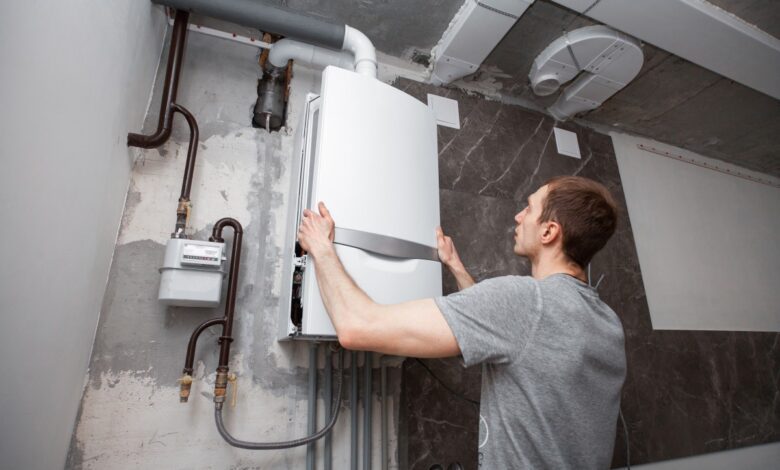
A broken gas water heater in a rental apartment is a real ordeal, not for the faint of heart. Especially if the landlord is in no hurry to solve the problem and you’re left heating water in a pot. Spanish law clearly defines who is responsible for such breakdowns, but in practice, tenants often find themselves at a loss. What should you do if your landlord ignores your requests? Here’s how you can avoid being left without hot water—and keep your peace of mind.
The question of who should pay for the repair or replacement of a broken water heater worries thousands of tenants across the country. Many believe that if the appliance broke through no fault of their own, it’s the owner who should pay. But what does the law really say, and how can you make sure justice is served if the landlord doesn’t respond?
Law and responsibilities
In Spain, the Ley de Arrendamientos Urbanos (LAU), or Urban Lease Law, obliges landlords to maintain rental properties in a habitable condition. If your gas water heater stops working and you’re left without hot water or heating, this is considered a violation of living conditions. The landlord is required to fix the problem at their own expense, unless the breakdown is due to the tenant’s negligence.
In practice, however, many landlords try to shift responsibility onto tenants, citing minor faults or equipment wear and tear. It’s important to remember: if it’s a serious breakdown that prevents normal use of the apartment, the law is on your side. Don’t let your landlord convince you otherwise.
Step-by-step procedure
If the property owner ignores your repair requests, act in stages. First, document the issue in writing: send a notification by email, messenger, or, ideally, via an official service (such as burofax). In your message, describe the fault in detail, note the date you discovered it, and attach photos or videos. This will help prove you reported the problem in a timely manner.
Next, provide access for a technician to inspect the equipment. By law, you are required to allow the owner or their representative to verify the issue. If the situation remains unresolved and the problem threatens your health or safety (for example, no heating in winter), you have the right to call a specialist yourself and then request reimbursement for the expenses.
When can you terminate the contract
If the landlord continues to neglect their obligations, you have the right to terminate the lease agreement. The law allows you to end the lease if the owner commits serious violations, and sometimes even claim compensation for inconvenience caused. The key is to keep all documents and correspondence, so you have proof if a dispute arises.
Don’t forget: if you decide to fix the issue at your own expense, make sure to keep all receipts and expert reports. This will help you recover the money spent in court or through a pre-trial settlement. In some cases, tenants can even demand a rent reduction for the period when the apartment was uninhabitable.
Minor repairs and maintenance
Not all breakdowns are the landlord’s responsibility. The law distinguishes so-called ‘minor repairs’ related to normal wear and tear of equipment. These include, for example, replacing a filter, cleaning radiators, or changing small parts. Such expenses fall on the tenant if they are not related to a major malfunction.
However, if the water heater is completely out of order or requires expensive repairs, the owner is responsible. It’s important to know where the tenant’s responsibility ends and the landlord’s begins. If you’re not sure, consult a lawyer or contact a tenants’ association.
Deadlines and responsibility
The law does not set specific timeframes for fixing malfunctions, but if the problem affects health or safety, it must be resolved immediately. Delays may result in additional penalties for the landlord, up to and including court proceedings.
The tenant, in turn, is required to report the breakdown as soon as possible and must not prevent specialists from accessing the property. If you delay notifying or do not allow the repair technician in, the landlord may accuse you of worsening the situation. In this case, part of the responsibility may fall on you.
If you didn’t know, Spain records thousands of disputes every year between tenants and property owners over repairs and maintenance of appliances. Most conflicts arise from not knowing your rights and obligations. Experts advise always keeping correspondence and documents related to your rental so you can quickly prove your case if needed. Don’t be afraid to stand up for yourself—the law is usually on the side of responsible tenants.