A scandal over social housing rent is escalating in Castilla y León: hundreds of low-income families are being forced to pay monthly amounts exceeding the legal limits. This issue not only affects their finances but also raises concerns about oversight by regional authorities. As reported by El Pais, despite numerous appeals and official reports, the situation has remained unchanged.
The root of the problem lies in errors in rent calculations made by the relevant department. As a result, 351 tenants of VPO (Viviendas de Protección Oficial) apartments are paying up to 100 euros more than the established rate. These apartments belong to an investment fund, which, according to those affected, is exploiting the tenants’ vulnerability. Many fear publicity, worried about losing their homes, even though the law prohibits eviction over such complaints.
Errors and inaction
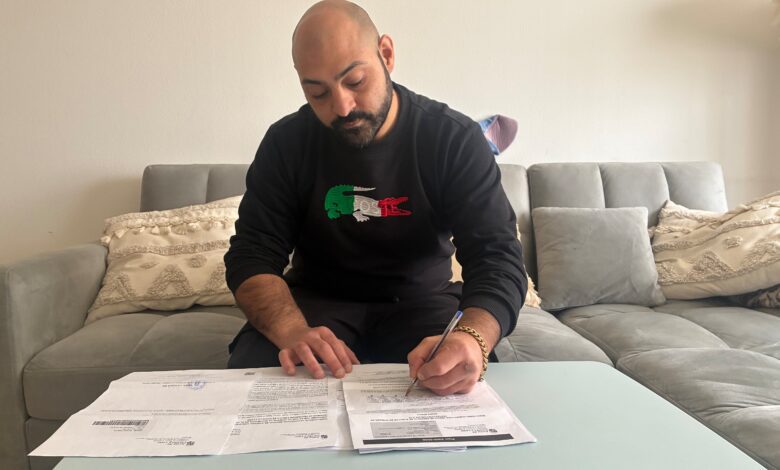
One of those affected, Daniel Rejón, lives in the municipality of Laguna de Duero in Valladolid province. His family rents a small apartment showing clear signs of wear and tear. According to an official document signed by housing subsidy chief Marcial Barba, the rent exceeds the legal limit by nearly 80 euros a month. In addition, the tenant is required to pay the real estate tax (IBI), which by law should be covered by the property owner.
The documents provided to residents clearly state that such conditions contradict current legislation. In 2023, the Supreme Court of Spain has already confirmed that the IBI tax cannot be passed on to VPO tenants. Nevertheless, the regional administration, led by María Pardo, currently a Partido Popular candidate, has taken no steps to protect citizens’ rights.
Fear and pressure
After moving in, many tenants received letters with alarming wording, such as “refusal to approve the rental contract.” These notifications stated that the rent exceeded the permitted amount, although eviction was not threatened. Nonetheless, such messages sparked panic among elderly residents, some of whom were left in tears, fearing they would lose their homes.
In an attempt to resolve the issue, tenants reached out to fund representatives and officials. They were promised that an appeal would be filed, and in private messages were advised to ignore the official letters, claiming the authorities allegedly did not conduct proper inspections. However, despite these appeals and formal requests, the administration has not responded, and illegal payments continue to be collected.
Financial pressure
Daniel Rejón, who earns €15,870 a year, has already overpaid about €1,000 during his time living there. According to him, many neighbors found themselves in a similar situation but preferred to stay silent out of fear of possible consequences. Some tenants have been paying inflated amounts for years, unaware that their rights are being violated.
According to El Pais, the problem affects not only Valladolid but also other municipalities in the region. So far, government action has been limited to formal responses, with no real measures in place to protect tenants. This situation is reminiscent of recent government initiatives to restrict media income from state advertising, when new rules were introduced to increase transparency and curb abuse, as detailed in the report on new restrictions for media outlets.
In recent years, Spain has seen a rise in cases where large investment funds acquire social housing and impose terms that violate the law. In 2024, similar complaints about illegal surcharges and attempts to shift taxes onto tenants were already recorded in Madrid and Barcelona. While authorities have promised stronger oversight, in practice many families continue to face injustice. This trend is raising concern among experts and advocacy groups monitoring the affordable housing market.