A high-profile investigation into the railway disaster in Adamuz, which claimed the lives of 46 people, is entering a new phase. The Montoro Court (Córdoba) has decided to open a separate proceeding to consider requests from eight organizations seeking to act as private prosecutors. This decision could significantly impact the course of the trial, given the scale of the tragedy and the number of victims.
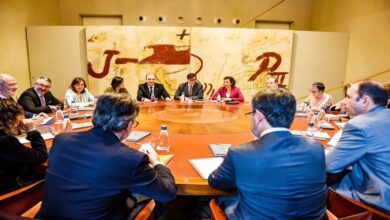
The spotlight is on Judge Cristina Pastor, who was recently appointed to Juzgado de Instrucción número 2. She will determine whether organizations such as the train drivers’ union Semaf, the political party Vox, the group Manos Limpias, the association Hazte Oír, and four other organizations can obtain the status of private prosecutors. Each entity has been given ten days to address formal requirements: submitting official complaints, providing special authorizations, and supporting documents.
The judge emphasized that, after reviewing the applications, a decision will be made regarding possible preliminary measures. These may include restrictions or orders that could affect the ongoing investigation. Fourteen private prosecutors—victims and relatives of the deceased—are already involved in the case and can also influence the proceedings.
The scale of the tragedy
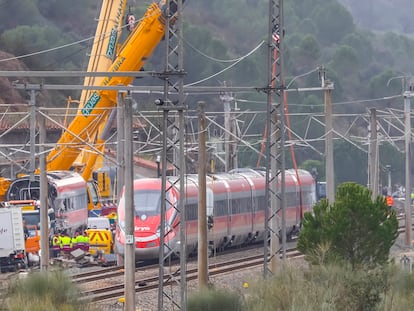
The disaster that occurred on the railway line shook all of Spain. An Iryo train carrying 317 passengers derailed and ended up on the opposite track, where it collided with Alvia 2384, which had about a hundred people on board. The collision resulted in 46 deaths and 152 people sustained various injuries.
The complexity of the case is due not only to the number of victims, but also to the scale of the legal consequences. Dozens of lawyers are involved, and the number of potential civil lawsuits may exceed two hundred. Many victims are still seeking legal support or considering joining associations for collective lawsuits.
The court warns that all interested parties should submit their claims exclusively through separate proceedings to avoid confusion and document loss due to the high workload. This decision aims to streamline the process and protect the rights of all participants.
Legal nuances
Eight organizations seeking the status of popular accusers represent a wide range of interests, from professional unions to political and social movements. Among them are the associations Víctimas de los Políticos, Liberum, Alternativa Ferroviaria (Aiferro), and Iustitia Europea. Each must confirm its legitimacy and provide the necessary documents to participate in the proceedings.
Judge Pastor indicated that a decision on admitting organizations to the case will only be made after all formal requirements are met. This may delay the process, but it will help avoid legal errors and ensure the transparency of the investigation.
At the same time, work continues on gathering evidence and questioning witnesses. The investigation is expected to be lengthy and complex, given the number of participants and the scale of the tragedy.
Impact on the Victims
For the families of the deceased and those affected, the court’s decision to open a separate proceeding creates new opportunities to protect their interests. The participation of people’s prosecutors may increase pressure on the investigation and speed up decisions on key issues.
However, many victims are facing difficulties finding lawyers and completing paperwork. Some are considering creating new associations to collectively defend their rights. This could introduce new participants to the proceedings and complicate the work of the court.
Civil claims related to the tragedy are expected to be large-scale. The amount of compensation and the liability of parties will be determined in separate hearings after the main investigation is completed.
Context and Precedents
In recent years, Spain has faced several major transport disasters that have led to lengthy legal proceedings. One of the most notable cases remains the train crash in Santiago de Compostela in 2013, which claimed 80 lives. The legal process lasted for several years, with the involvement of numerous prosecutors and associations significantly complicating the proceedings.
A similar situation occurred after the bus accident in Fregenal de la Sierra, which also sparked disputes about the participation of public organizations in the case. In both instances, the courts paid special attention to formal requirements and transparency in the process to prevent errors and ensure fair consideration of the cases.
The ongoing Adamuz case could set a new precedent for Spanish judicial practice, defining the role of public organizations in investigations of major tragedies. Attention to detail and strict procedural control are becoming key factors in achieving justice.