Five days after the devastating train disaster in Adamuz (Córdoba province), the situation has changed dramatically. All 45 people initially reported missing by their relatives have now been found deceased. The final two bodies were discovered under the Alvia train carriages, officially closing the list of those unaccounted for. Investigators have completed their examination of the crash site, and the Civil Guard has already submitted the first official report to the court. Attention now shifts to determining those responsible and providing compensation to the victims’ families.
Authorities reacted without delay. Transport Minister Óscar Puente stated plainly that the main theory remains a fault in the infrastructure or the railway itself. The technical malfunction of a train bogie, considered in the initial hours, has now been completely ruled out. This places responsibility on Adif, the company managing the country’s railways. Adif will likely be responsible for paying compensation to the injured and to the families of those killed.
Investigation and initial findings
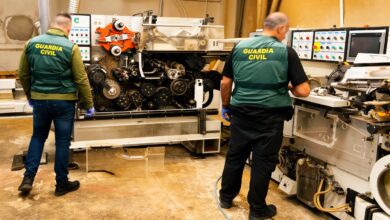
The Civil Guard has completed a thorough inspection of the site where the tragedy occurred. The court in Montoro has already received nine complaints from victims and their families, as well as seven petitions from various organizations and political parties to participate in the case. Forensic specialists have finished identifying all the victims, and medical experts have carried out the necessary examinations. Twenty-nine people remain hospitalized, including three children. Seven of the injured are in intensive care in serious condition.
It appears that investigators are leaning toward the theory that the disaster was caused by problems with the tracks or infrastructure. This could deal a serious blow to the reputation of the national rail operator and spark public discontent among passengers. Nevertheless, authorities are promising full transparency and openness during the investigation to restore trust in the high-speed rail system.
Government response
Prime Minister Pedro Sánchez issued a statement promising that the government will take full responsibility for what happened. He emphasized that supporting the victims and their families is a top priority for the state. Sánchez also assured that Spain will do everything possible to restore trust in rail transport, especially in the wake of two major accidents—one in Adamuz and another in Gelida (Barcelona).
Authorities emphasize that they will act with maximum transparency and honesty. However, many observers note that such promises are made too often, while real change happens slowly. Nevertheless, this time, public pressure and the scale of the tragedy are forcing officials to act faster and more decisively.
Train service restoration
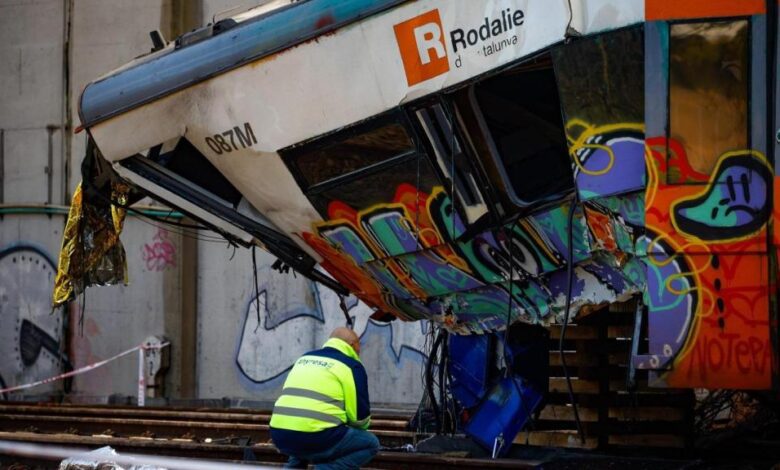
While the investigation continues in Andalucía, Catalonia has already managed to restore suburban Rodalies train services. After a two-day interruption caused by the accident in Gelida, all lines have reopened to passengers. Recall that there, an R4 line train crashed into a collapsed wall on the tracks, killing a trainee driver and injuring 37 people to varying degrees.
Rail service could only resume after a full inspection of the network confirmed it was safe. Rodalies management stated that passengers no longer need to fear for their safety, yet many remain anxious. Two major accidents in a short span is a worrying sign for the entire country.
Accountability and compensation
Now the key question is who will compensate the victims and how. After the version of a technical fault with the train was ruled out, responsibility falls to the infrastructure company Adif. It appears Adif will be in charge of paying compensation to the families of those killed and the injured. The sums have not been specified yet, but experts are convinced the payments will be considerable, given the scale of the tragedy.
Public dissatisfaction with the quality of railway infrastructure is growing. Many are demanding not just compensation, but real reforms in the railway management system. Passenger safety has once again become one of the most pressing issues on Spain’s agenda. It seems authorities may no longer be able to get by on promises alone.