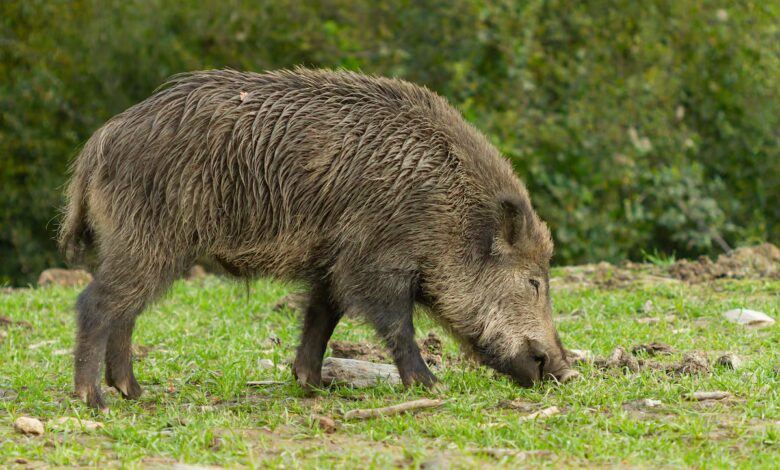
Spain has reported its first case of African swine fever in three decades. The virus was detected in two wild boars near the campus of the Universitat Autònoma de Barcelona in Bellaterra. This development has sounded the alarm for the entire industry: a country that sent 54 million pigs to slaughter in 2024 alone must now contend with a threat that could cripple exports and cause millions in losses.
Catalonia’s veterinary services immediately reported the discovery to the Ministry of Agriculture. Laboratory tests confirmed the presence of the virus, which had not appeared in Spain since 1994. The outbreak led to an instant imposition of pork export restrictions, and some countries, including Japan and Mexico, have completely suspended imports of Spanish pork products.
Export at risk: Global market response
The appearance of African swine fever (ASF) in Spain triggered an immediate response on international markets. Partner countries such as Japan and Mexico announced a total ban on imports of Spanish pork. Within the European Union, restrictions were limited to 39 farms within a 20-kilometer radius of the outbreak. However, the United Kingdom decided to temporarily suspend pork imports from all of Spain.
Special attention was focused on China, which in 2024 accounted for nearly 20% of all Spanish pork exports. Beijing limited its ban to products only from the province of Barcelona, a move made possible by a recently signed regionalization agreement. However, even such targeted measures mean significant losses for the industry, as nearly a quarter of all Spanish pigs are raised in Catalonia.
Causes and pathways of spread: how the virus reached Catalonia
Authorities in Catalonia and the Ministry of Agriculture note that the outbreak is located in a densely populated and frequently visited area. One possible source under consideration is the so-called ‘sandwich route’: the virus can survive for a long time in meat products, and leftover food thrown in the trash may be eaten by wild boars. Experts believe this is how the infection could have made its way into the wild.
Currently, there are about thirty wild boars in the outbreak area. Authorities have decided not to cull the animals but to restrict their movement and monitor the disposal of dead individuals. Importantly, the virus poses no threat to humans, but it is deadly for pig farming: the disease spreads rapidly and leads to mass animal deaths.
Control measures and hopes for containment
The Spanish Ministry of Agriculture has announced the introduction of strict biosecurity measures. Animal movement is banned within the infected zone, and all farms are required to strengthen sanitary controls. Authorities hope that a swift and decisive response will help prevent the virus from spreading to commercial pig farms.
Catalan farmers insist that their operations are equipped with modern protection systems, and so far, not a single case of infection has been recorded among domestic pigs. Nevertheless, the situation remains tense: experience from other countries shows that even a solitary case can lead to months-long export restrictions and serious economic losses.
European experience and prospects for Spain
African swine fever has repeatedly triggered crises across Europe. Germany, previously the EU’s largest pork producer, faced a similar issue in 2020 when the virus was detected in a wild boar. At the time, authorities built kilometer-long fences to halt the spread of the disease. Some countries, such as Belgium and Sweden, managed to eradicate the virus entirely thanks to strict control measures.
A special protocol is currently in place in Spain: the infected area is isolated, animal movement is strictly regulated, and all dead animals are disposed of under expert supervision. The ministry is urging farmers and transporters to exercise maximum caution and to further bolster biosecurity precautions.
Experts believe that if the outbreak can be contained soon, the country may avoid significant losses. However, even temporary export restrictions have already dealt a serious blow to the industry, which provides jobs and a substantial source of income for many regions.