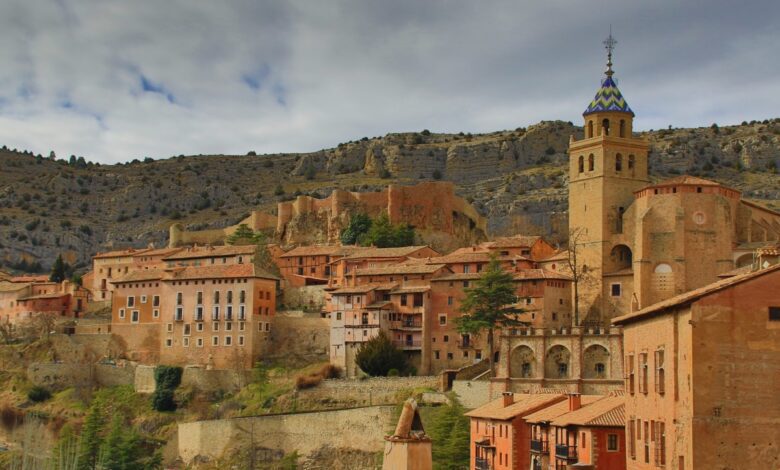
Albarracín: a unique gem in the heart of Aragón
With the arrival of autumn, many travelers seek out new routes away from busy tourist centers. In the province of Teruel, Albarracín is a town that regularly appears on lists of the most beautiful places in the country. Its historic center, recognized as a national monument, has preserved its medieval atmosphere. The narrow streets, stone-and-wood facades, and distinctive balconies together give the town its unique character.
Historical roots and cultural heritage
Albarracín captivates not only with its appearance but also with its rich history. Archaeological finds indicate that these lands have been inhabited since the Iron Age. Over different eras, the town bore various names: in Roman times—Lobetum, in the Visigothic period—Santa María de Oriente. In the 11th century, a taifa was established here by the Berber clan Banu Razin, which gave the town its modern name. Later, Albarracín passed from one noble family to another until, at the end of the 13th century, it became part of the Aragonese crown.
Medieval walls and towers
The town is surrounded by imposing walls climbing the hillside, offering stunning views of the surroundings. The Andador and Doña Blanca towers stand out in particular, retaining features of Muslim architecture. A walk along the fortress walls lets you feel the breath of history and appreciate the strategic importance this place once held.
Sights and landmarks
Albarracín preserves numerous architectural monuments. The 16th-century Cathedral of San Salvador is renowned for its museum, which houses unique Flemish tapestries. At the heart of the city stands the Alcázar, a fortress that once housed the town’s founders. The Bishop’s Palace, with its Baroque entrance, is a reminder of Albarracín’s religious importance. On the main square stands the 16th-century Town Hall building, while the Casa de Julianeta, with its distinctive slanted façade, has become one of Albarracín’s symbols.
Autumn landscapes and nature trails
In autumn, the surrounding forests turn golden and red, making walks in the area especially picturesque. Outdoor enthusiasts can explore hiking trails or join in on the collection of black truffles, one of the region’s main delicacies. The city frequently hosts fairs and features shops selling local crafts.
Gastronomic traditions
Albarracín’s cuisine is famous far beyond the region. Lamb prepared according to traditional recipes is especially popular. The menus of local restaurants are dominated by meat dishes and seasonal vegetables, which are highly praised by gastronomic guides.
Getting to Albarracín
You can reach the town from Teruel via the A-1512 highway—the journey takes about 40 minutes. From Zaragoza, the drive takes around two hours and offers travelers scenic views of the mountains. Albarracín remains one of those places where history, nature, and cuisine come together seamlessly.