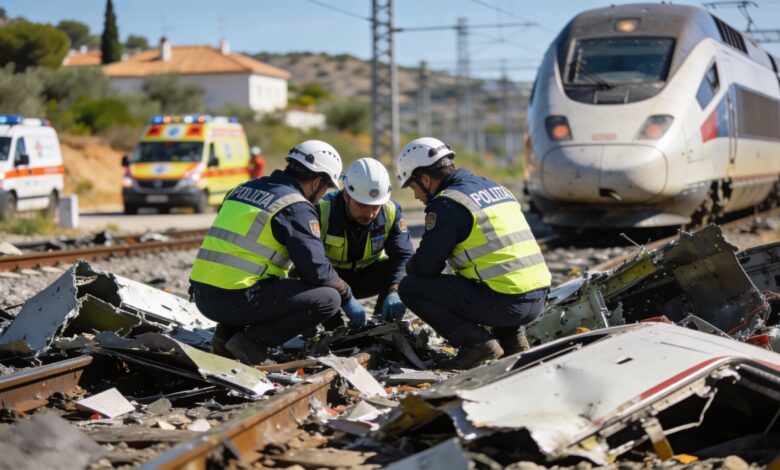
The railway tragedy in Andalusia has once again raised questions about the reliability of high-speed train safety systems in Spain. After the Alvia collided with Iryo carriages near Córdoba, resulting in 46 fatalities and over a hundred people injured, the investigation has reached a new stage. Experts are now focusing on analyzing the performance of automated control systems that should have prevented the disaster.
According to RUSSPAIN, investigators from the Commission for Railway Accident Investigation (CIAF) have encountered a lack of information on the activation of key equipment in the train’s black box. Specifically, the LZB system, which is designed to provide continuous monitoring and automatic braking at high speeds. Unable to find the necessary records, experts petitioned the court for access to the wreckage to study another recorder, Deuta, which may have preserved critical data about the automatic systems’ response at the moment of the crash.
Access to data in doubt
However, Judge Cristina Pastor did not authorize an inspection of the equipment until independent experts are appointed. This decision has caused dissatisfaction among technical specialists, as any delay could lead to loss of information. Additionally, the commission was not granted permission for further photographic documentation or for reviewing emergency response records, which constrains efforts to objectively analyze the causes of the tragedy.
At the same time, as RUSSPAIN reports, the main theory remains a sudden rail break on the track used by the Iryo train. Preliminary findings suggest the defect may have resulted from insufficient maintenance or a manufacturing flaw, with the break occurring less than a day before the accident. The Civil Guard report points to five cases of negligence by Adif, the company responsible for infrastructure.
Infrastructure concerns
Investigators have ruled out human error and sabotage, and consider the impact of other trains unlikely. The focus is on the technical condition of the tracks and the quality of the welding. It is still unclear what triggered the incident—the rail break or a weld defect. In any case, the violations identified in Adif’s operations are already being discussed by company management and have drawn interest in parliament.
Meanwhile, the ongoing investigation faces limited access to key evidence. Court decisions and the actions of investigative authorities may affect the speed and completeness of clarifying the circumstances of the tragedy. The issue of whether emergency braking systems were activated remains unresolved, and responsibility for the incident has yet to be determined.
Implications for the sector
The situation surrounding the Alvia accident has already led to a review of safety standards on Spain’s railways. Authorities and experts are discussing the need to tighten control over track maintenance and schedule more frequent equipment inspections. The surge in public attention could accelerate reforms and influence investments in infrastructure modernization.
In recent years, Spain has seen several major rail accidents linked to technical failures and insufficient oversight. For example, the 2013 tragedy near Santiago de Compostela also prompted widespread industry changes. Each new incident underscores the importance of transparent investigations and adopting modern technologies to prevent similar disasters in the future.