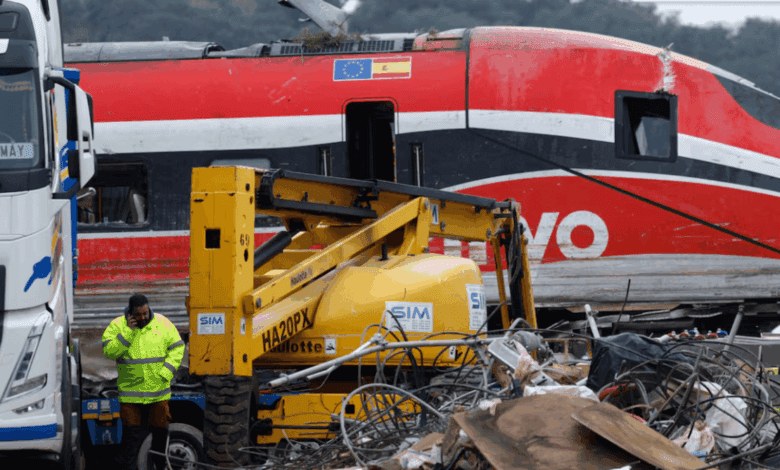
Sunday evening on the Madrid — Sevilla railway line turned into a disaster that is still being discussed among professionals and ordinary citizens alike. After a collision between Alvia and Iryo trains near Adamuz, passengers were trapped, cut off from the outside world and without the slightest support from emergency services. Despite desperate attempts to reach 112, help was slow to arrive. People in the Alvia carriages kept calling again and again, but their cries for help went unanswered for a long time.
According to the timeline of events, the Alvia train suffered the greatest losses and was in the most critical situation. Yet for a long time, its location remained unknown to rescuers. While emergency crews focused on the Iryo train, where there were also injured passengers, the real tragedy was unfolding elsewhere—just a few hundred meters away, but seemingly in another reality.
Lost minutes
The first alarming signals reached the control center at 19:43, when the Iryo train derailed. Just minutes later, Alvia passengers began calling 112 en masse, reporting serious injuries and chaos in the carriages. However, despite these signals, it took long minutes to locate the train and organize assistance—minutes that felt like an eternity for the victims.
At 19:49, the control center in Atocha received confirmation from the Alvia conductor about injured passengers. The woman reported a head injury and bleeding. At the same time, Adif dispatchers tried to reach the Alvia train driver, but without success. Attempts to contact the crew were repeated, but there was no response. The entire response system seemed paralyzed, unable to quickly coordinate actions.
Errors and delays
While emergency services were trying to make sense of the situation, something entirely different was unfolding at the crash site. The Iryo train driver reported a “collision” and a loss of power in the overhead line. Four minutes later, he confirmed a derailment, casualties, and even a fire. However, none of these reports sped up the arrival of assistance for Alvia.
At the same time, the driver of another train following behind noticed the voltage drop and his train stopping. He decided to walk onto the tracks with a flashlight and set out to search for the scene of the accident. Only after a significant amount of time did he manage to locate the epicenter of the catastrophe. It remains unclear who found Alvia first—him or the passengers themselves, who may have reached Iryo to report the disaster.
System in paralysis
More than half an hour passed after the accident before service on the Madrid–Seville line was officially halted. It was only at 19:50—seven minutes after the collision and four minutes after Iryo’s train driver made the first report—that the incident was escalated to the national Adif control center. Only then were emergency services and law enforcement mobilized.
Officials admit they lacked full information about the scale of the tragedy. It was only by 20:15, 32 minutes after the accident, that national crisis committees were convened. By that time, many Alvia passengers had lost hope of waiting for help, and some were attempting to escape the mangled carriages on their own.
Unanswered questions
This entire story raises many questions about the organization of emergency services and railway infrastructure. Why did numerous calls to 112 not prompt an immediate response? How could the train with the most victims remain outside the rescuers’ focus for so long? And why did real rescue efforts only begin half an hour after the crash?
The accident near Adamuz became a real test for Spain’s entire emergency response system. Clearly, this time it failed. And while officials continue to investigate the details, Alvia passengers and their families are unlikely to forget that hour when they were left on their own.