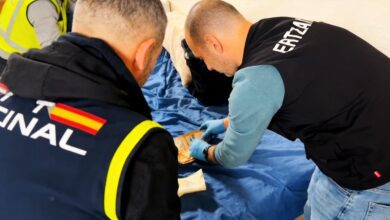
In the center of Huelva, in southern Spain, archaeologists have made a rare discovery: during excavations on the site of a former tax office building, a vessel with remains of a dish prepared more than two and a half thousand years ago was found. The condition of the find astonished the experts — the dish is so well preserved that it appears to have been cooked only recently.
Excavations were carried out in an area that once housed port facilities dating back to the 6th–5th centuries BCE. It was here, among numerous ceramic fragments, that researchers discovered a clay vessel containing remnants of ancient stew. Analysis revealed that the main ingredient of the dish was ruminant meat, to which fruit was added. Scientists are now continuing to determine the exact composition of the ingredients.
Around the find, about 3,000 ceramic shards were discovered, indicating a vibrant trading and social life in the ancient port. According to specialists, such finds are extremely rare for the Iberian Peninsula and offer a new perspective on the daily life and gastronomic habits of the Tartessian civilization.
The exceptional preservation of the dish is explained by the characteristics of the local groundwater. Normally, the high water table hinders archaeological work, but in this case it contributed to the conservation of fats and other organic remains. Thanks to this, scientists were able to identify even the structure of triglycerides that had survived in the food for thousands of years.
The discovery has attracted interest not only from historians but also from the gastronomic community. Once laboratory studies are completed, there are plans to recreate the ancient recipe and offer it to the current residents and visitors of Huelva. The idea is to turn this historic dish into a culinary symbol of the city, connecting past and present through gastronomy.
The authorities of Huelva are considering including the discovered recipe in cultural and tourism projects. The unique find is expected to become part of a museum exhibition and inspire local restaurants to create the ‘Tartessos tapa’—a dish based on the ancient recipe.
This archaeological success highlights the richness of Andalusia’s historical heritage and opens new perspectives for studying the daily lives of ancient peoples who inhabited southern Spain. The find in Huelva has already drawn the attention of both the scientific community and the general public, and its significance goes far beyond archaeology, touching on issues of identity, culture, and the region’s contemporary gastronomy.