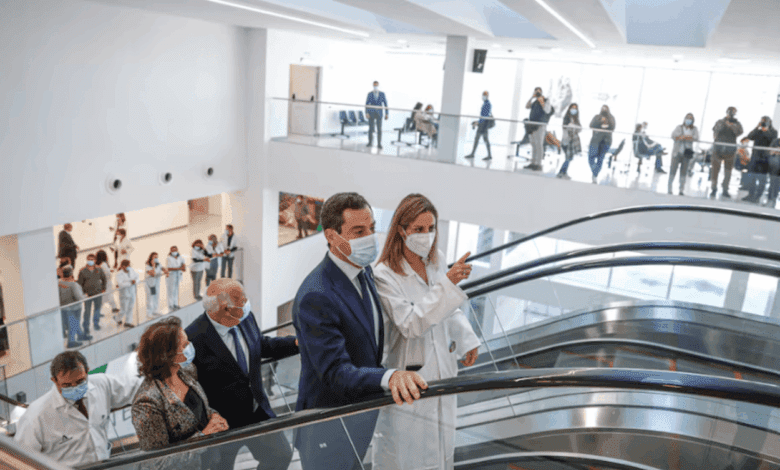
In the spring of last year, the Andalusian government decided not to use European funds to pay for the large-scale renovation of the Vigil de Quiñones Hospital in Seville. At stake were €47.5 million, which were initially expected to come from EU funds. However, after an internal review, it was found that the chosen emergency procurement scheme did not comply with established rules. As a result, regional authorities chose to finance the project from their own resources to avoid potential claims from the European Commission.
The contract signed by the Andalusian Health Service (SAS) during the pandemic came under scrutiny. While the pandemic allowed for streamlined procedures, auditors concluded that there weren’t sufficient grounds in this case to justify an emergency deal. The key question is whether the situation truly required such urgent action, or if it was an attempt to bypass standard procedures and restrictions.
The court case underway in Seville covers a series of contracts signed between 2020 and 2024, totaling €242 million. Among those involved are both current and former SAS executives. Although there is no clear evidence of embezzlement, investigators continue to scrutinize how public funds were spent. Internal reports and auditors’ conclusions point to possible violations, but regional officials have consistently denied any misuse of the budget.
The review revealed that the selection process for the hospital reconstruction contractor did not provide equal opportunities for all potential bidders, particularly those from other EU countries. Although nine companies were formally invited to participate, there was no widespread publication of the tender information. According to European standards, emergency procurement is only permitted in truly unforeseen circumstances, but in this case, neither auditors nor regulatory authorities saw such a necessity.
In December 2022, the European Commission audited a number of Spanish programs and concluded that emergency procedures restrict competition and should only be used in exceptional situations. As a result, some of the planned subsidies were withdrawn. Following this, regional authorities completely abandoned European funding and covered the expenses from their own budget.
The judicial investigation is still ongoing. The judge has requested the full set of documents regarding the disputed reconstruction in order to dispel any doubts about the transaction’s transparency. Andalusian authorities insist that all necessary documentation has already been submitted, but the court believes that some materials are still missing. Final conclusions in the case have not yet been made.