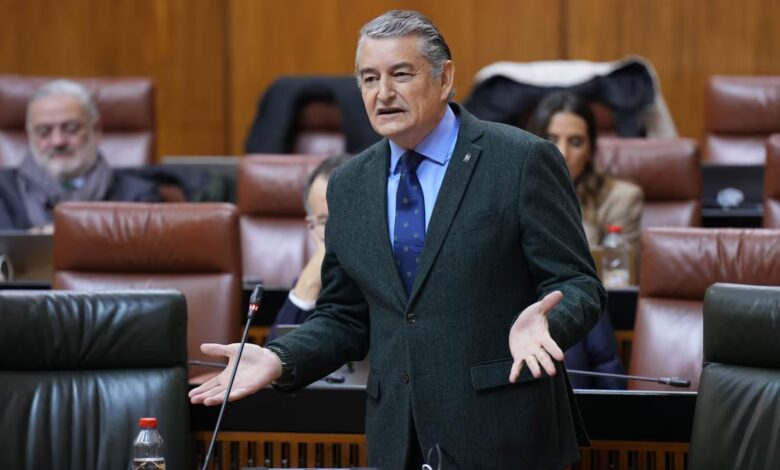
A conflict has erupted in Andalusia between healthcare professionals and regional authorities over the timing of the introduction of innovative CAR-T therapy for patients with multiple myeloma. Regional health minister Antonio Sanz stated that the delay in using this method was due solely to medical reasons, not administrative barriers. His statement came amid repeated warnings from doctors about life-threatening risks for patients caused by the late start of treatment.
Sanz emphasized that the decision to postpone the therapy was made based on the patients’ own conditions. According to him, national protocols require the procedure to be delayed if the patient has active infections, severe side effects, or other clinical complications that could endanger their life. He noted that this was about ensuring patient safety, not about a delay.
Doctors’ documents
However, several official reports prepared by the head of the hematology department at the Virgen del Rocío hospital cited a different reason for the delay. Three documents sent to the Andalusian government highlighted a shortage of the Carvykti drug required for the therapy. The first report is dated April 23, the second June 9, and the third August 6. In these documents, doctors requested that the procurement of the drug be expedited to prevent a deterioration in the condition of patients in urgent need of treatment.
Medical reports included specific examples of negative outcomes for patients who were unable to access therapy in time. They did not mention any reasons related to patients’ conditions, as referenced by the head of the Ministry of Health. Moreover, the documents noted that in some cases the drug was still not available in regional hospitals.
Therapy Features
Antonio Sanz reminded that CAR-T therapy is one of the most complex procedures in modern medicine. It requires meticulous preparation, individualized patient selection, and a lengthy drug production process that can take six to eight weeks. According to him, this method cannot be compared to traditional treatment protocols, since it involves genetic modification of a patient’s cells in specialized laboratories followed by administration of the medication.
The official also noted that each case is considered individually, and the decision to initiate therapy is made exclusively by doctors, based on the patient’s health status and medical standards. He emphasized that any accusations against the administration are an attempt to politicize the situation and use healthcare as a tool to pressure the regional government.
Comparison with Other Regions
Journalists discovered that in Andalusia, the first patients gained access to CAR-T therapy two to three months later than in other regions of Spain. While treatment began at the Salamanca hospital as early as the beginning of June, the first patient at Virgen del Rocío underwent the procedure only in September. During this period, authorities received three official requests urging them to speed up the drug procurement process.
The leadership of the regional health service acknowledged that the delay did occur, but explained it was due to the need to follow all procedures and safety standards. Meanwhile, opposition representatives accused the authorities of stalling the process and questioned the official explanation for the delay.
Political context
The timing of CAR-T therapy implementation has become a subject of political debate in Andalusia. Representatives of the opposition PSOE party accused the regional government of trying to conceal the real reasons for the delay and using the healthcare issue for political gain. The authorities, in turn, stated that all decisions were made solely in the interest of patients and in strict accordance with medical protocols.
Tensions increased further after the recent decision by the Sevilla prosecutor’s office to close its investigation into the possible deletion of medical data in Andalusia’s healthcare system. This move prompted new accusations against the regional government from the opposition.
In conclusion, the head of the Ministry of Health called for respect toward the work of medical professionals and urged not to use healthcare as a target for political attacks. He emphasized that responsibility for decisions regarding CAR-T therapy rests with doctors, who act in the best interests of patients and strictly adhere to professional standards.