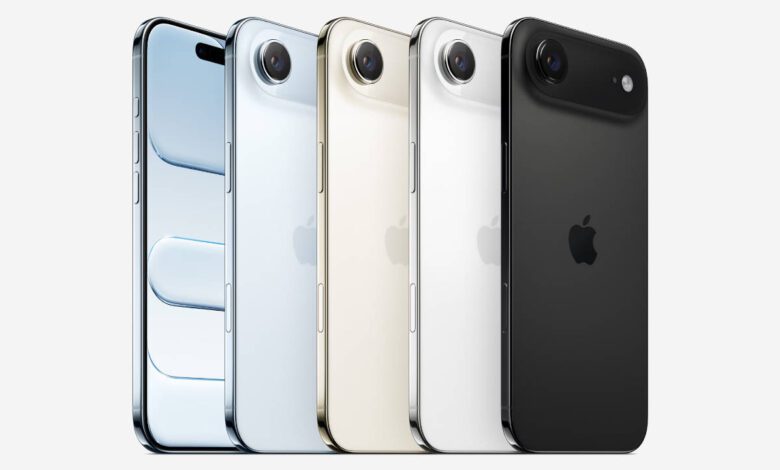
Apple’s ultra-thin smartphone: expectations vs reality
Apple continues the search for the optimal format for its mobile devices. The iPhone Air, introduced in response to market demand, failed to secure a spot among bestsellers. Despite interest in a lighter and slimmer body, users were in no rush to choose this version. The reasons included not only technical limitations, but also a lack of clear positioning within the range.
From the very start, the iPhone Air stood out for its minimal thickness and light weight. However, these features couldn’t offset the compromises in battery life and camera functionality. As a result, demand fell short of expectations, and the model itself ended up in an uncertain spot between more powerful and more affordable devices.
Rumors of discontinuation and possible comeback
In recent months, the industry has been abuzz with reports about Apple halting work on the next generation of iPhone Air. According to insiders, the project was removed from Apple’s production roadmap, sparking speculation that the model’s story might be coming to an end. The lack of official comments and new leaks has only added to the uncertainty surrounding the device’s future.
Nevertheless, recent reports suggest that the company might return to the idea of releasing an updated version. It is believed the new model could debut in spring 2027, outside of the traditional autumn launch cycle. Such a move may indicate that the iPhone Air is being considered as an experimental product, separate from the core lineup.
Potential changes and future development
The upcoming version is expected to feature several technical upgrades, including a second main camera, increased battery capacity, and a redesigned internal architecture to improve energy efficiency. However, the main challenge for engineers is to maintain the signature lightness and slimness of the device without compromising on key features.
A key aspect of the iPhone Air is the lack of traditional numbering, allowing Apple to manage the model’s fate flexibly. The company can halt or restart production at any time without disrupting the overall lineup. This approach gives the manufacturer room to experiment but also highlights the device’s secondary status.
User expectations and Apple’s next steps
While the fate of the iPhone Air remains uncertain, users and experts alike continue to speculate about the model’s future. If the company decides to return to producing an ultra-thin smartphone, it could be an attempt to redefine its position in the market. Otherwise, the story of the iPhone Air may end as quietly as it began, leaving behind only memories of unfulfilled expectations.