Spain has a new representative from one of the world’s most influential countries—an event that could impact the political climate and strategic decisions in Madrid. The appointment of a new US ambassador comes at a time when Europe is facing geopolitical challenges and relations with Washington remain tense, giving special significance to this development for Spain’s foreign policy and defense.
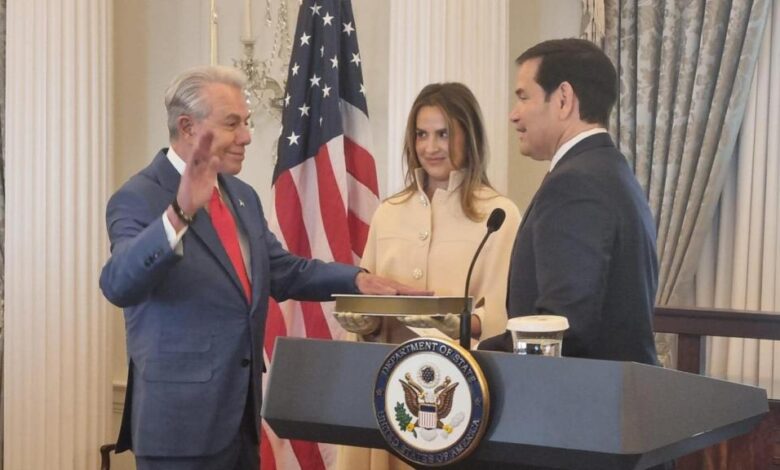
Benjamín León Jr., a Cuban-American entrepreneur, has officially assumed the post of US Ambassador to Spain and Andorra. The inauguration ceremony was attended by Secretary of State Marco Rubio. León is known not only as the founder of Leon Medical Centers, but also for his unique migration story and strong family ties to the Canary Islands. His appointment took many by surprise, given his long business career and lack of diplomatic experience.
The ambassadorial post had remained vacant since July 2024, when the previous diplomat left Madrid. During this time, Spanish-American relations came under strain over defense issues and Spain’s participation in NATO missions. The new ambassador quickly set out his priorities: strengthening security cooperation and supporting allied commitments within the North Atlantic Alliance.
Biography and influence
Leon Jr. is a figure of interest not only in business circles. His journey from a Cuban émigré to the owner of a major U.S. medical company has become a symbol of the American Dream. At 16, he arrived in America with virtually nothing, and decades later, his name became well-known in political and philanthropic circles. Notably, his ancestors came from the Canary Islands, adding a personal dimension to his mission in Spain.
In recent years, Leon has been actively investing in real estate, expanding his interests beyond medicine. His ties to the U.S. Republican Party are well known: he has regularly supported political campaigns, including that of the current Secretary of State. This raises questions about the possible impact of U.S. domestic politics on his diplomatic role in Madrid.
The inauguration ceremony was attended by leading figures from the Spanish and American political elite. Attention was drawn to the reaction from the Spanish side: social networks were filled with comments about how the new ambassador might influence bilateral relations and what changes await Spanish diplomacy.
Political context
León’s appointment comes amid heightened tensions between Washington and European capitals. In recent months, sharp remarks have been made about Spain’s insufficient defense spending, which has caused discontent in the White House. During his Senate hearings, the new ambassador made it clear he would push for Madrid to contribute more to NATO’s collective security.
US President Donald Trump personally backed León’s nomination, highlighting his achievements in business and philanthropy. At the same time, debates continue in Spanish political circles over how independent the new ambassador can truly be, given his close ties to the Republican elite and his personal history of emigration.
During recent Senate discussions, León called Pedro Sánchez’s government’s stance on the defense budget “a serious mistake.” He emphasized that Spain remains a key US ally in Europe and expressed his readiness to work on strengthening the strategic partnership.
Reaction and Expectations
Madrid is closely watching the first moves of the new ambassador. His business background and lack of a diplomatic career are being seen in different lights: some view this as an opportunity for new ideas, while others fear unpredictable decisions. Spanish media are debating how León’s personal history and his ties to the Canary Islands might influence his approach.
A significant signal was the participation of Congresswoman María Elvira Salazar, who highlighted the importance of hard work and the pursuit of freedom in the new ambassador’s background. Diplomatic circles note that León could become a figure capable of fostering dialogue between Madrid and Washington in challenging circumstances.
It is too early to talk about specific initiatives, but it is already clear: in the coming months, Spanish-American relations are set to change. Defense issues, economic cooperation, and Spain’s participation in international missions will once again be in the spotlight.
Similar appointments
In recent years, Spain has repeatedly faced unexpected appointments of foreign ambassadors, leading to a reassessment of established cooperation formats. For example, in 2022, the change of the British ambassador sparked debate due to new emphases in negotiations over Gibraltar. A similar situation arose after the appointment of a French ambassador with experience in Africa, which influenced the priorities of the bilateral agenda. Such changes often prompt a renewal of strategies and the search for new points of convergence between countries.