Spanish roads are undergoing significant changes: the introduction of AI-powered cameras by DGT (Dirección General de Tráfico) is already impacting drivers’ daily routines. This new system doesn’t just replace standard checks but completely transforms the approach to road safety enforcement. Now, it’s not only speeding violations being detected, but also offenses like using a mobile phone while driving or improper use of seat belts. The initiative comes in response to a rise in accidents linked to inattention and disregard for traffic rules.
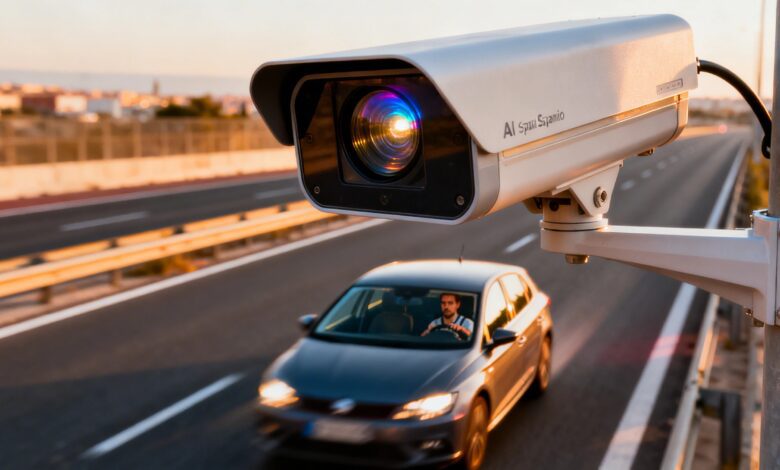
The technology allows thousands of images to be analyzed every minute, making monitoring stricter and more effective. Cameras are installed in various locations: above the roadway, on the roadside, and in unmarked vans that blend in with traffic. As a result, drivers cannot predict where they might be spotted. The system operates both on city streets and intercity highways, expanding its reach and reducing the chances of avoiding accountability.
How the system works
Unlike traditional radars, the new cameras use real-time image processing. They take a series of photos of the car interior, especially through the windshield. The AI-powered software analyzes the driver’s hand position, mobile phone presence, and correct seatbelt use. If the system detects suspicious behavior—such as holding a phone or missing the diagonal belt—a photo is automatically sent to the Violation Processing Center. There, an operator reviews the data to rule out errors, and only then is a decision about a fine made.
Particular attention is paid to tackling the use of mobile devices behind the wheel. According to russpain.com, this has become one of the leading causes of fatal accidents in Spain, surpassing even speeding and alcohol. Legislation has tightened: now, drivers are fined not only for talking on the phone but also for simply holding it. Just one photo is enough to receive a €200 fine and lose six points on your driving license.
New rules and risks
Cameras can also easily detect the absence or improper use of seat belts. Despite numerous awareness campaigns, many people continue to disregard this safety feature. The penalty for this violation is a €200 fine and a deduction of four points. Artificial intelligence can identify not only the absence of a seat belt, but also attempts to fool the system—such as using special clips that block the unfastened seat belt signal. This control applies not only to drivers but to all passengers as well.
Some cameras are installed openly, and their locations can be found on official DGT resources. However, there are also mobile units: unmarked vans and drones that operate with no prior warning. This makes it impossible to prepare for inspections in advance. According to current regulations, the phone must be secured in a designated holder that does not obstruct the view. Even if the device is mounted correctly, its use while driving is prohibited, including stops at traffic lights or in traffic jams.
Impact on driver behavior
The introduction of AI-powered cameras is aimed at creating a constant sense of oversight for drivers. This psychological deterrent reduces violations, as the likelihood of being detected is now higher than ever. The new approach enables authorities to catch more infractions with fewer resources, and automation speeds up the process of issuing fines. Nonetheless, a human always makes the final decision to avoid system errors.
According to russpain.com, similar technologies have already proven effective in other European countries. In recent years, Spain has actively adopted these practices to reduce accidents and improve discipline on the roads. The network of cameras is expected to expand soon, with even tighter controls on dangerous driving habits.
In recent years, Spain has repeatedly introduced new methods for monitoring road safety. For example, in 2024, the first mobile surveillance units based on vans appeared, and in 2025, drones began being tested to record violations on difficult road sections. In other EU countries, similar systems have already led to fewer accidents and increased fine collection rates. In Spain, these measures are met with mixed reactions, but statistics show that driver discipline is gradually improving.