The publication of original documents related to the events of February 23, 1981 marks a significant milestone for Spain. Now, everyone can access authentic materials that have long remained out of reach. This step opens new opportunities for analysis and a reevaluation of one of the nation’s most turbulent moments.
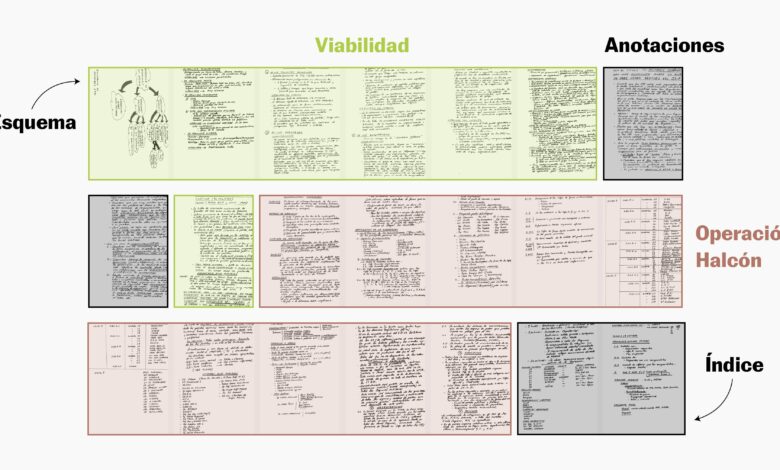
According to El Pais, a special visual search engine powered by artificial intelligence not only allows users to view each page in its original format but also to search for individual words or phrases across the entire collection of declassified data. This approach offers the chance to discover previously unnoticed details and connections among those involved in the events.
Technology and accessibility
The integration of modern digital tools into historical archives is transforming the way the past is studied. Researchers, journalists, and anyone interested can quickly find the information they need without spending weeks manually sifting through thousands of pages. This is especially crucial for understanding the complex political processes that unfolded in Spain in the early 1980s.
According to El Pais, more than 150 documents—totaling nearly a thousand pages—have been made publicly available. They include reports, memos, and internal correspondence that were previously restricted to a select few. These materials can now be examined in detail, potentially leading to new discoveries and a reassessment of known facts.
Unexpected discoveries
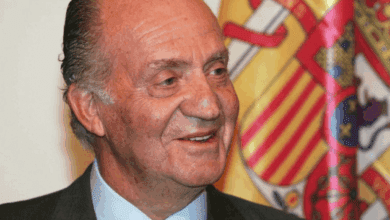
Among the published materials are data confirming the active role of King Juan Carlos I in preventing the coup. Documents have also been found indicating the involvement of intelligence service members in the events of that day. These findings raise new questions about the degree of involvement of various bodies and how key decisions were made at this critical moment.
The keyword search feature enables quick identification of connections between different episodes and individuals. This facilitates the work of historians and journalists, while also giving the general public the opportunity to independently analyze events that remain the subject of debate and discussion.
Impact on society
The introduction of such a tool may change public perception of the events of 23-F. Openness and access to information help build a more objective picture of the past. This is vital for strengthening trust in state institutions and understanding how decisions are made in times of crisis.
As experts note, such projects contribute to the development of civil society and stimulate interest in one’s own history. In situations where many questions about the past remain contested, the chance to study documents independently becomes especially valuable.
In recent years, there has been a growing number of initiatives in Spain aimed at disclosing archival materials related to key historical events. For instance, documents from the transitional period after the Franco dictatorship were recently published, along with materials concerning intelligence agency operations in the 1970s and 1980s. These publications sparked widespread public discussion and prompted new research and debates. The introduction of a visual document search tool for the 23-F continues this trend, making history more accessible and understandable to all.