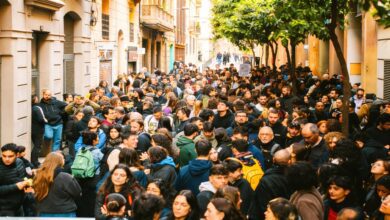
Events in the small town of Paradas, located in the rural part of Seville province, have sparked discussion far beyond the region. An attempt to steal a work associated with the name El Greco touched not only the local community but also ignited debate among art enthusiasts across Spain. The issue of preserving cultural heritage once again came into focus, as the fate of this unique painting became a symbol of vulnerability even in the country’s quietest corners.
On the eve of Christmas, unknown perpetrators broke into the museum at San Eutropio Church and took a copy of the famous ‘Penitent Mary Magdalene’ (María Magdalena penitente). The original, created by Doménikos Theotokópoulos, better known as El Greco, remained safe thanks to modern security systems. For Paradas, a town with fewer than 7,000 inhabitants, this incident was a real shock: very few works by the master have survived in Andalusia.
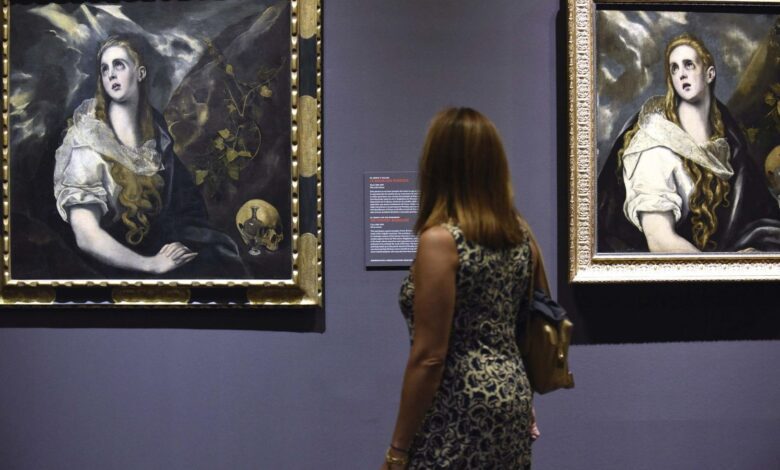
The painting, dating back to the late 16th century, had long been a source of pride for the local residents. However, following the attempted theft and the start of restoration work in the church, the original was urgently moved to the Seville Cathedral. It now temporarily stands alongside another outstanding work—Gentileschi’s ‘Magdalene’, which has only fueled curiosity about the painting’s fate.
The history of the painting
The origins of the masterpiece in Paradas remain shrouded in mystery. Nineteenth-century archival records mention the presence of the “Penitent Magdalene” in the local church, but there are no precise accounts explaining how it arrived in this small municipality. It is believed that the painting’s journey is linked to Seville’s role as a gateway to the New World, yet there is no documentary evidence: the archives were lost during the Civil War.
Local historians and art experts note that access to the original has always required permission from the priest. After recent events, seeing the painting in Paradas has become impossible: it has been sent for storage and exhibition in Seville, and will later be shown in Valencia. For many residents, this brings a sense of pride, but also concern—not everyone was aware such a valuable work existed in their town.
In 2014, marking the 400th anniversary of El Greco’s birth, the painting had already left the church to participate in an exhibition in Toledo. At that time, experts confirmed the work was created by the master himself, not his students, making it especially significant for Spain’s cultural heritage.
Security and Restoration
The attempted theft has prompted a review of security measures at the San Eutropio church. Representatives of the Seville archdiocese stated that it is necessary to enhance security and modernize protection systems before the painting is returned to its historic location. The temporary relocation of the artwork was explained not only by the threat posed by criminals but also by the need to protect it from possible damage during construction work.
In the coming years, residents of Paradas will be able to view the masterpiece only at temporary exhibitions. Restoration of the church is not expected to be completed before the end of 2027. Until then, “The Penitent Magdalene” will remain under close observation by experts and the public in the country’s leading museums.
Local authorities and church representatives emphasize that returning the painting to Paradas is a matter of principle. For this small town, possessing an original El Greco is not only a source of pride but also an important component of its cultural identity. At the same time, the attempted theft revealed how vulnerable even the most famous works of art are in provincial museums.
Copies and originals
The practice of creating copies of El Greco’s masterpieces was widespread. Images of Mary Magdalene, Saint Francis, and Saint Jerome were reproduced especially often. In Paradas, a copy of ‘Penitent Magdalene’ was displayed in a more accessible part of the museum to introduce as many people as possible to the painting’s history. It was this reproduction that the perpetrators stole, having failed to reach the original.
Experts note that the original from Paradas stands out for its particular expressiveness and quality of execution. Some researchers believe the master incorporated elements from different versions he created in other countries for this work. This adds uniqueness to the painting and draws the close attention of art historians.
In recent years, interest in El Greco’s works has noticeably grown in Spain. His paintings are regularly featured in major exhibitions, and incidents of theft or attempted theft have sparked discussions about security issues in museums and churches.
Memory and identity
For Paradas, possessing an El Greco masterpiece is not only a matter of cultural significance, but also part of local identity. The town is preparing to celebrate the 250th anniversary of its independence, and the story of the painting became yet another reminder of its rich past. Authorities installed a photographic reproduction of the artwork with a QR code near the church, allowing anyone interested to learn more about the fate of this unique masterpiece.
Although not all residents were aware of the significance of the painting, the attempted theft and the subsequent events brought national attention to it. Now, the fate of the “Penitent Magdalene” has become part of modern Paradas history, and its return to the city is awaited with particular excitement.
In recent years, Spain has seen a rise in attempted thefts of artworks from small museums and churches. In 2024, an attempt to steal a medieval icon was foiled in Galicia, and in 2025, criminals tried to remove a valuable sculpture from a monastery in Murcia. These incidents have prompted many municipalities to reconsider their approach to safeguarding cultural assets and to invest in modern security systems. As a result, even smaller towns have begun to pay more attention to preserving their historical heritage, noticeably increasing interest in regional museums and churches nationwide.