A new round of confrontation has erupted in Madrid between the regional authorities and the central government. The trigger was the announced increase in airport service fees, set to take effect in 2026. Ryanair, Europe’s largest low-cost airline, has already begun cutting flights across the country, and the president of the Community of Madrid, Isabel Díaz Ayuso, has openly sided with the carrier.
Ryanair CEO Eddie Wilson has voiced his disappointment: the company has already removed more than one million seats for the summer and has stopped flights altogether in some regions. Affected airports include those in Galicia, Andalucía, Asturias, Castilla y León, as well as in the Canary Islands. According to the airline’s representatives, a 6.5% increase in airport charges makes operating in these locations economically unviable.
The Spanish government argues the fee hike is necessary because rates have not changed for many years, while infrastructure needs continued investment to maintain high service standards. However, Ryanair insists such measures will lead to the loss of thousands of jobs and hurt tourism. Ayuso, in turn, emphasizes that Madrid has always been open to investment and the development of the aviation sector, unlike other regions, which she says create artificial barriers for business.
Economic impact and political undercurrents
Residents and tourists have already felt the impact of flight reductions: ticket prices are rising, and destination options are shrinking. Ryanair claims that in the past year alone, the total number of available seats has dropped by three million. The company insists that further fee increases will force them to continue cuts, even though Spain remains one of the airline’s key markets.
Ayuso is leveraging the situation to strengthen Madrid’s image as a region that values business and jobs. She notes that Ryanair has invested billions of euros in the country’s economy and created hundreds of thousands of jobs, both directly and indirectly linked to aviation and tourism. In her view, such partners deserve support rather than pressure from the government.
Government response and next steps
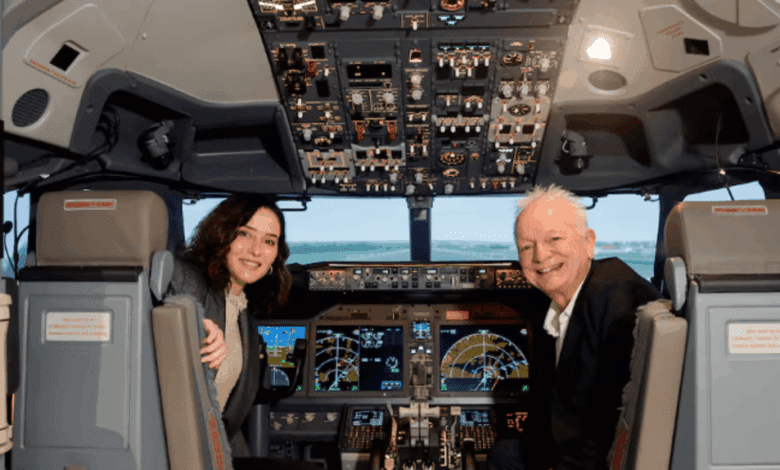
A new Ryanair pilot training center has already opened in Madrid, symbolizing the regional authorities’ support for the airline. Meanwhile, the central government is taking a tough stance, arguing that the carrier’s demands are unfounded. Ministers stress that higher fees are necessary to maintain airport quality and promote long-term tourism growth.
Despite fines and mounting pressure, Ryanair is not backing down. The company continues to call for a review of tariff policies and is seeking support from regional leaders. Ayuso, in turn, urges caution in making decisions that could negatively affect the economy and employment.
In the coming months, the situation is expected to escalate further. The question of who will prevail in this standoff—a major international company or the power of the state—remains unresolved. One thing is clear: the stakes are high, and the outcome of this conflict will shape the future of air travel in Spain.