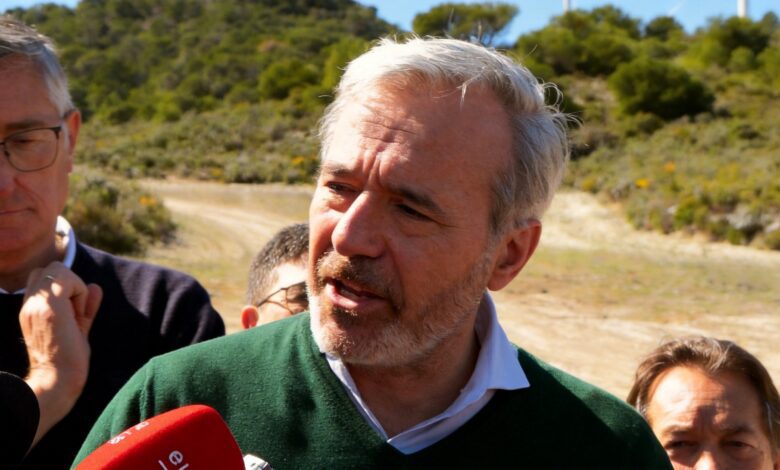
Controversial statements recently made by the head of the Aragon government about two prominent politicians have instantly become one of the most talked-about topics in Spanish society. The issue of whether such comments are acceptable in public politics is once again in the spotlight, and consequences for the parties’ and their leaders’ images could be significant. As El Pais notes, the reaction to Azcón’s remarks was not limited to social media—discussion quickly spread beyond political circles.
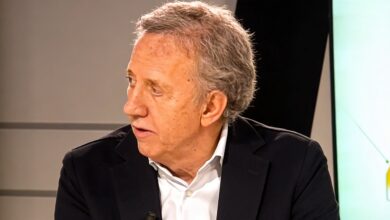
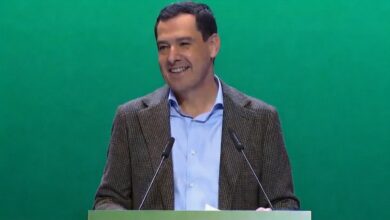
At a public event organized by El Confidencial, Jorge Azcón unexpectedly compared the appearances of Pilar Alegría and María Jesús Montero, saying he found the former more attractive. He also suggested that Montero ‘would have a less pleasant expression’ than the former education minister. His comments sparked an outcry among representatives of various parties and led to new accusations of sexism against political figures.
Pilar Alegría did not let the remarks pass and posted an ironic comment on X (formerly Twitter), calling Azcón ‘Jorge Torrente’—a nod to a well-known Spanish film character. María Jesús Montero, for her part, linked Azcón’s behavior to policies under the Andalusian leadership, stressing that such remarks demean women and disregard their professional abilities. According to El Pais, the discussion quickly escalated into a national debate about women’s roles in politics and the limits of public speech.
Party responses and repercussions
Internal party debates erupted immediately. Representatives of the Socialists and other left-wing forces accused Azcón and his party of neglecting issues of equality and respect towards women. Deputy Prime Minister María Jesús Montero publicly stated that such remarks are part of a broader pattern of behavior exhibited by the leadership in Andalucía. She emphasized that such incidents undermine trust in political institutions and may negatively affect women’s participation in public life.
At the same time, members of the People’s Party sought to defuse the situation, claiming Azcón’s words were taken out of context and do not reflect the party’s official position. However, active debate continues on social media and in the press, with many users demanding a public apology and stricter monitoring of politicians’ statements. A russpain.com analysis suggests such scandals may influence voter sentiment, especially among women and young voters.
Talks with Vox and the political backdrop
Amid the unfolding scandal, Azcón also commented on the ongoing coalition talks with Vox in Aragón. He stressed the importance of finalizing an agreement before the start of the election campaign in Andalucía, which begins May 1. The leader of the People’s Party highlighted that without Vox’s support it is impossible to form a stable government, while Santiago Abascal himself has already expressed willingness to join the executive.
The question of whether Vox will join the government directly or limit itself to parliamentary support remains open. According to El Pais, such negotiations are becoming increasingly complicated amid public pressure and criticism of both parties. Recalling recent events in Madrid, where internal disagreements within Vox led to unexpected decisions, many experts draw parallels with the current situation in Aragon. For example, disagreements within Vox in Madrid recently sparked heated debate and affected the region’s political stability.
Context and public reaction
Scandals related to public statements about the appearance of female politicians have repeatedly become a topic of discussion in Spain. In recent years, such incidents have occurred in different regions of the country, sparking waves of criticism and calls for stricter conduct standards for public officials. Civil society organizations and human rights advocates regularly stress the need to respect women’s dignity and condemn sexist comments in the public sphere.
Recalling recent cases, it is worth noting that in 2025 a similar scandal erupted in Catalonia, when a member of parliament made unethical remarks towards a female colleague. Public pressure at the time forced him to make a public apology and temporarily withdraw from parliamentary sessions. Such events highlight that the issues of equality and respect for women remain among the most pressing topics in Spanish politics.