Questions of urban development in Barcelona have once again come to the forefront following a public exchange between business representatives and city hall. For residents, this could mean changes in housing availability, tax rates, and transport infrastructure. The issue affects not only the economy but also daily life, as decisions made now could reshape Barcelona for years to come.
The construction debate
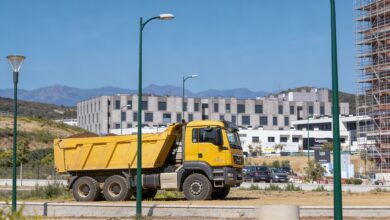
At the Rethink BCN event, organized by Foment del Treball, the head of the organization Josep Sánchez Llibre voiced his dissatisfaction with the pace of construction and the policies of the city administration. He noted that the absence of construction cranes on the Barcelona skyline symbolizes stagnation in the housing sector. In his view, the city faces a lack of new projects as well as challenges due to the mandatory share of social housing, which holds back development.
In addition, Sánchez Llibre pointed to higher tax burdens, particularly the increase in the tourist tax, and insufficient coordination between the private and public sectors on transport issues. He emphasized that these factors could negatively impact Barcelona’s attractiveness to investors and residents. As El Pais reports, similar remarks have already been made to regional authorities, indicating the systemic nature of the problem.
Response from City Hall
Barcelona Mayor Jaume Collboni rejected the criticism and said that construction in the city is progressing actively. He listed areas where major projects are currently underway, such as La Marina, Zona Franca, and 22@. According to him, the city is experiencing growth, and housing market regulation is necessary to protect the interests of local residents who are being pushed out by high prices and demand from foreign buyers.
Collboni stressed that Barcelona is becoming an example of stability and safety amid international uncertainty. He recalled plans to launch a thousand new apartments annually by the end of the current mandate and acknowledged that the 30% social housing requirement poses challenges, though it has not yet been changed due to a lack of political majority. The mayor also pointed out that the city government operates as a minority but continues to reach compromises with different political forces.
Transport and tourism
In the transport sector, Collboni emphasized the development of public transit, believing that the metro should become more accessible and advantageous for residents than private cars. He pointed to rising fuel prices and the need to make metro travel more appealing. Regarding tourism, the mayor advocated for balance among different categories of visitors and sustainable growth of the sector to preserve quality of life in the city.
Collboni highlighted the importance of hosting major international events, such as the Mobile World Congress, as a key part of his strategy to shape Barcelona’s image on the global stage. According to russpain.com, such events have repeatedly sparked discussions about the city’s future and its role in Spain’s economy.
Context and implications
In recent years, urban policy and infrastructure development have become heated topics of debate not only in Barcelona but also in other major Spanish cities. For example, Santiago recently discussed the role of civic initiatives in changing public perceptions of prominent figures, as reflected in coverage of the civic event honoring former prosecutor García Ortiz (details on civic initiatives in Santiago). Such discussions highlight that city governance and interaction between authorities and society remain pressing issues across the country.
In recent years, Spain has seen repeated debates over housing market regulation, tax increases, and the development of transport infrastructure. Rental and construction restrictions have been widely discussed in Madrid and Valencia, sparking protests from residents and businesses. In 2025, Seville implemented a metro expansion project that showcased successful cooperation between the municipality and private companies. These developments underscore that balancing the interests of different groups and effective urban management remain key challenges for Spain’s major cities.