The opening of Barcelona’s city mission in Brussels marks a new chapter for Spanish cities in their relationship with the European Union. This event could impact how the country’s municipalities defend their interests at the European level. Barcelona’s authorities expect that having a dedicated office will allow the city to respond more swiftly to challenges and seize new opportunities for development.
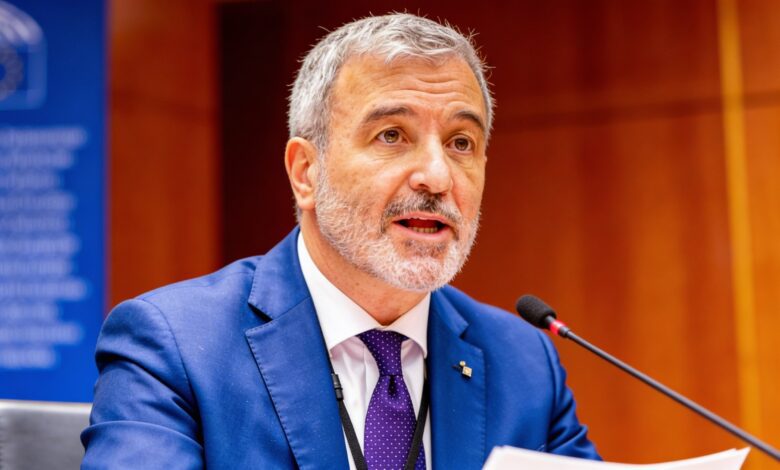
As El Pais notes, Mayor Jaume Collboni will personally present the city’s new strategy in the EU capital. He is accompanied by Maria Eugènia Gay, responsible for international relations, and Mar Jiménez, who oversees European affairs. During the visit, the delegation will introduce the head of the office and hold meetings with representatives of European institutions, political parties, and the active Catalan diaspora.
Barcelona’s new strategy
In Brussels, Plan Barcelona Europa will be presented—a document outlining the city’s priorities in its relationship with the European Union. City officials emphasize that the aim is not only to lobby for Barcelona’s interests but also to strengthen its position among other European capitals. In the evening, the mayor will speak at a conference about Barcelona’s role in the EU and how the city plans to influence decisions made in Brussels.
According to El Pais, this move continues the city’s previous initiatives aimed at engaging more actively in European discussions. Jaume Collboni has already raised the issue of the housing crisis in major European cities and met with Housing Commissioner Dan Jorgensen. Barcelona has also become one of the leaders of the Mayors for Housing alliance, which brings together mayors of major European cities.
Impact on the city and country
Establishing an office in Brussels could give Barcelona direct access to European programs and funding. City officials expect this will speed up the implementation of urban projects and raise Barcelona’s profile on the international stage. The new way of interacting with the EU is expected to help the city respond more quickly to changes in European policy and the economy.
Authorities emphasize that the office will not only promote the city administration’s interests, but also support local businesses, educational institutions, and community organizations. This approach could set an example for other Spanish cities that do not yet have their own representation in Brussels.
Context and trends
In recent years, European cities have been opening offices in Brussels more frequently in order to take part directly in shaping key EU decisions. Paris, Berlin, and several other capitals already have such representations. These offices help cities influence the allocation of EU funds, participate in making new rules, and protect the interests of their residents at the international level.
The opening of Barcelona’s office may intensify competition among Spanish cities seeking the attention of European institutions. Analysis by russpain.com suggests that such initiatives drive the growth of urban diplomacy and enable faster implementation of EU-backed innovative solutions. In the coming years, other major Spanish cities are also likely to follow Barcelona’s example.
In recent years, Europe has seen a rise in the number of city representative offices in Brussels. Paris and Berlin have long used this tool to advance their interests. In 2025, Madrid considered opening a similar office, though no decision has yet been made. These initiatives enable cities to participate directly in the allocation of European funds and influence EU policy-making. According to RUSSPAIN.COM, this trend is only set to grow as cities seek more autonomy and direct dialogue with European bodies.