In February 2026, Barcelona will once again be in the spotlight as the city gears up for a carnival that promises to be both the most dazzling and the most talked-about in recent decades. Organizers have announced changes that will affect the traditional course of events, and residents are already speculating on how the new rules will influence the festive atmosphere. This year, the carnival is set to take place from February 12 to 18, turning Barcelona into a stage for bold experiments and unexpected decisions over the course of six days.
City authorities have decided to focus on safety and inclusivity, leading to new restrictions for participants and visitors. For example, the use of fireworks and loud music after midnight has been banned in some districts, while separate relaxation zones have been set aside for children and the elderly. These measures have sparked heated debates among locals: some see them as necessary, while others view them as a threat to the traditional freedom of the carnival.
Historical roots
The Barcelona Carnival is more than just a celebration—it’s a key part of the city’s identity. Its history dates back to the distant past, when as early as the 14th century, local authorities tried to rein in the exuberant crowds by introducing rules for masquerades and street festivities. Despite attempts to ban the carnival in different eras, especially during the years of dictatorship, the tradition has endured and even grown stronger. Today, the carnival is seen as a symbol of freedom, satire, and collective merriment, where anyone can become whoever they want—even if just for a few days.
In recent years, the festival has become even more diverse: in addition to traditional parades, there are now modern performances, workshops, gastronomic festivals, and even costume contests for pets. In 2026, organizers promise even more surprises to attract as many locals and visitors as possible.
Main events
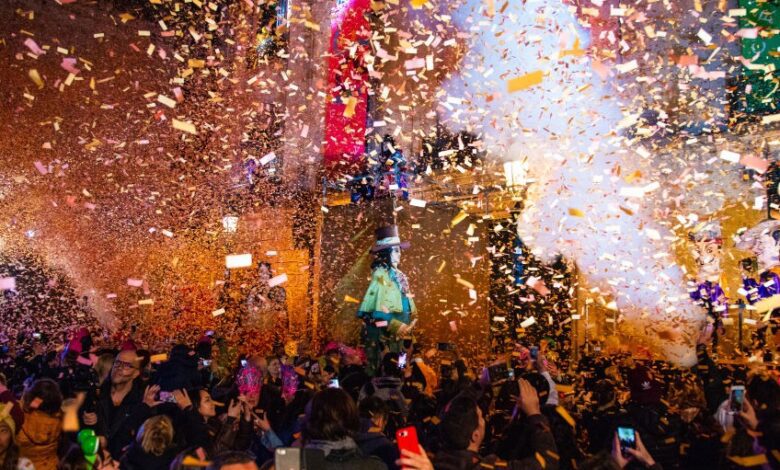
The carnival kicks off with Dijous Gras—a day when all of Barcelona dives into a gastronomic frenzy. Tables with traditional dishes such as coca with cracklings, omelets, and sausages are set up in squares and parks. On this day, the main character of the festivities—Rei Carnestoltes—appears on the streets, humorously and sarcastically announcing the start of unrestrained celebration.
Street parades, known as rúas, hold a special place in the program. In 2026, their number will exceed forty, and each district is preparing its own unique route. Adults, children, and members of various cultural groups all take part in the festivities. This year, the main rúas are expected to take place on February 14, while in some districts they may happen a day earlier or later. Organizers emphasize that Barcelona’s carnival is not a centralized show, but rather a network of local celebrations where everyone can find something to their liking.
Traditions and innovations
Among the most anticipated events is the “tronjada,” where participants stage a symbolic battle with orange confetti, echoing medieval festivities. Family concerts, dance flash mobs, and theatrical performances—held in open squares and cultural centers—are equally popular.
In 2026, special emphasis will be placed on inclusivity: dedicated viewing platforms will be set up for people with disabilities, and family zones with animators and workshops will be available for those with young children. For the first time, some venues will introduce “quiet hours,” with lowered music volumes to make the celebrations comfortable for everyone.
Finale and emotions
The carnival will conclude with the traditional “burial of the sardine”—a satirical procession symbolizing the end of merriment and the start of Lent. On this day, the streets fill with theatrical parades where participants in mourning costumes escort the sardine to the sea or the nearest fountain. Despite the somber undertones, the ritual is always accompanied by laughter, music, and jokes, turning the farewell into a true celebration.
In 2026, organizers have promised to add new elements to the ceremony: light shows, performances by street theaters, and even interactive installations open to everyone are expected. This approach aims to make the carnival’s finale even more memorable and emotional.
The Barcelona Carnival is not only a celebration for locals but also a magnet for tourists from around the world. Every year, thousands of visitors come here to immerse themselves in an atmosphere of freedom, creativity, and fun. In 2026, the city is ready to surprise, provoke, and inspire, proving that while traditions may evolve, the spirit of the carnival remains unchanged.
The Barcelona Carnival is one of the most vibrant and iconic events in the city’s cultural life. Its symbol is King Carnestoltes—a character embodying freedom, satire, and popular merrymaking. Each year, he appears on the streets to kick off the festivities and remind everyone: during these days, you can forget the rules and become part of a grand city spectacle. The carnival brings together people of all ages and backgrounds, turning Barcelona into a space where tradition and innovation go hand in hand.