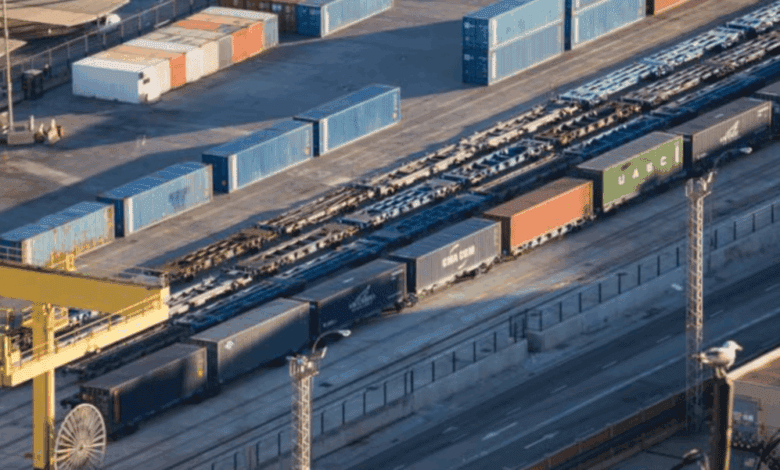
The sudden halt of rail traffic in Catalonia dealt a blow to the region’s economy. After the tragedy on the Rodalies line and the safety issues discovered, freight trains connecting the Port of Barcelona with the rest of the country were blocked. This led to a sharp increase in transportation costs and put supply stability at risk.
Consequences of the accident
The fatal incident in Gelida marked the start of large-scale infrastructure inspections. As a result, train services on key routes were almost completely stopped. South of Barcelona, the railway network was operating at only a quarter of its capacity, and to the north, freight trains were not running at all. The forced shift to road transport drove up costs for companies and created additional challenges for logistics.
Management at the Port of Barcelona notes that in the days following the accident, hundreds of containers were left on the tracks, awaiting a solution. However, the swift switch to trucks helped avoid a total shutdown. Despite this, business leaders and Catalan authorities openly express concern: such large-scale transport disruptions could happen again unless systemic measures are taken.
Seeking solutions
For two weeks, the Port of Barcelona, railway operators, and government representatives held negotiations in an effort to resolve the situation. The temporary solution—transferring cargo to road transport—proved costly and unsustainable. Authorities emphasize that a reliable railway network, not just roads, is essential for the port’s normal operations.
Recovery plans involve gradually reopening routes: train service to the north is expected to resume in the coming days, while the southern direction will see a phased restoration. However, experts warn that without a long-term plan and investment in infrastructure, similar crises could recur.
Economic losses
Precise figures on losses from the transport collapse have yet to be calculated, but it is already clear that the reputation of the Port of Barcelona has suffered. Management notes that despite the difficulties, client service was maintained thanks to flexibility and swift response. Nevertheless, there are no plans to rely solely on road transport in the future.
The port remains committed to developing multimodal logistics and is calling for increased investment in railway projects. Last year, hundreds of millions of euros in tenders were awarded, and further infrastructure investments are planned in the coming years. This should strengthen the transport system’s resilience and reduce business risks.
Cargo flow dynamics
Despite the crisis, the Port of Barcelona maintained high cargo volumes. In 2025, total cargo turnover reached almost 70 million tons, which is comparable to the previous year. However, the structure of transportation changed: container and bulk cargo volumes declined, while shipments of cars and liquid energy carriers increased.
Container imports reached record levels, with Asia remaining the main trading partner. Car exports decreased, but vehicle imports grew by nearly one and a half times. Passenger traffic through the port also rose, driven especially by cruise ships and ferries.
Context and consequences
The situation with railway transport in Catalonia has once again raised the issue of infrastructure modernization. In recent years, the region has already faced disruptions caused by weather conditions, technical failures, and strikes. Each time, the consequences affected the economy and caused dissatisfaction among businesses.
In other regions of Spain, similar problems have led to temporary port closures and higher logistics costs. In 2024, a similar crisis occurred in Valencia, where a railway accident forced cargo flows to be redirected to road transport. Then, as now, there was discussion about backup routes and investment in safety.
The previous article detailed how transport chaos in Catalonia peaked following the railway tragedy. The train drivers’ strike and the suspension of Rodalies trains caused widespread disruptions and overloaded alternative routes. For more on the unfolding events, see the report Catalonia brought to a halt Second day of transport chaos after railway tragedy.