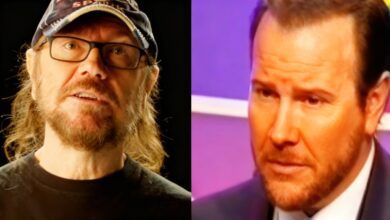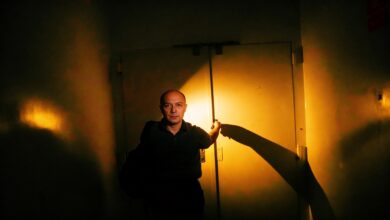
In October 2025, Lluís Permanyer, a figure well known in journalistic circles and beyond Catalonia, passed away in Barcelona. His name was closely linked to the city, its history, and its culture. Yet even after his death, Permanyer managed to surprise everyone: instead of a traditional funeral, his body was handed over to university laboratories to help train future specialists.
Catalonia’s largest universities need around three hundred bodies a year for hands-on training. Not only future doctors, but also students from other medical fields like physiotherapy, biomedical engineering, and speech therapy require real anatomical material. Permanyer took care to fill out all the paperwork in advance so that, after his death, his body would end up on a students’ table—not beneath a marble slab at the cemetery.
The history of body donation and its importance for education
Catalonia has a long-standing tradition of donating bodies to science, but there are still not enough volunteers. At the Universitat de Barcelona (UB), for example, over 13,000 potential donors are registered, but only about 8,000 of them are actually suitable for training. There are various reasons for refusal: sometimes the family does not consent, or the condition of the body does not meet requirements. Doctors do not accept bodies following violent death, those with infectious diseases, or if organs have already been removed for transplantation. Even excessive weight can be an obstacle, as such cases are more difficult to work with.
At the Universitat Autònoma de Barcelona (UAB), up to 70 bodies are used each year, and new donor registration has long been closed due to an enormous waiting list. Meanwhile, at other universities, such as Pompeu Fabra, the number of volunteers is much lower, and recruitment is still ongoing. On average, each donor helps dozens of students master complex medical skills that cannot be learned from textbooks alone.
Permanyer and His Contribution to Science After Death
Lluís Permanyer not only wrote about Barcelona but also became a part of its history. In one of his articles, he described the medieval morgue at the Santa Creu hospital, where, for centuries, the bodies of nameless townspeople were used for teaching. Now, his own fate is following the same path: parts of the journalist’s body will be studied by groups of students and will be cremated after the learning cycle is complete.
Permanyer’s family made the decision to donate his body many years ago. For them, it was not only an act of altruism, but also a way to spare their loved ones the burden of funeral arrangements. Such a choice is still rare in Spain, though the number of people willing to do so is growing. Usually, it is elderly people who sign up to be donors, hoping to make a positive impact on society even after death.
Practice and Ethics: How Training Is Conducted
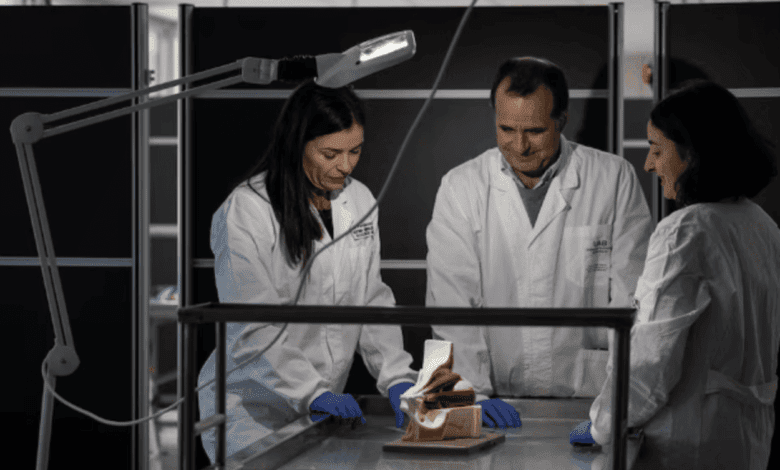
The anatomical halls of Barcelona have a unique atmosphere. Instructors remind students that what lies before them is not just study material, but once were people who deserve respect. Every part of the body passes through the hands of dozens of students learning to diagnose diseases, perform surgeries, and understand complex cases. After all procedures are complete, the remains are always cremated, and the memory of the donors is preserved in the university archives.
Permannier once said that his calling was to tell stories. Even after death, he continues to do so by helping new generations of doctors and researchers. His example may inspire others to follow the same path, as contributing to science and education is an investment in the future of the entire society.